
Views: 0 Author: Site Editor Publish Time: 2026-02-03 Origin: Site


Swim tubes, also known as inflatable tubes or swim rings, are popular water accessories used for floating and relaxation. They provide buoyancy and support, allowing users to float comfortably in pools, lakes, or oceans. While swim tubes are fun and enjoyable for recreational activities, their role in helping beginners learn to swim is more nuanced. For beginners, especially children, swim tubes can offer initial comfort in the water by providing stability and boosting confidence. However, while swim tubes help beginners stay afloat, they do not teach proper swimming techniques. Therefore, while they can be a helpful tool for gaining comfort in the water, swim tubes should be used alongside swimming lessons and not as a substitute for learning swimming skills.
Swim tubes are designed to provide buoyancy, which is especially helpful for beginners who may struggle to stay afloat on their own. By offering support and stability, swim tubes make it easier for individuals to float on water without the fear of sinking. This buoyancy allows beginners to focus on feeling comfortable in the water without worrying about keeping their head above the surface, which is an essential step in building swimming confidence.
For beginners, especially those who are nervous about water, swim tubes can serve as a safety net. The stability provided by the swim tube encourages a sense of security, allowing beginners to gradually gain comfort and reduce any fear of the water. As they become more accustomed to the water, beginners can start experimenting with movement, such as kicking their legs or splashing their arms, while still having the safety of the swim tube to keep them buoyant.
While swim tubes are not a substitute for swimming lessons, they can be a helpful tool for practicing basic water safety and movement. Beginners can use the swim tube to practice floating on their back, which is an important skill in swimming safety. Additionally, swim tubes provide a stable platform for beginners to begin experimenting with leg kicks or arm movements, which are vital components of swimming. By introducing these movements in a relaxed and supported environment, beginners can gradually build the foundational skills needed for more advanced swimming techniques.
While swim tubes provide buoyancy and support, they do not teach the actual techniques required for swimming. Beginners using swim tubes might feel comfortable floating, but they won’t learn essential skills like proper arm strokes, breathing techniques, or body positioning in the water. Swim tubes offer no guidance on how to move efficiently through the water or how to develop the necessary coordination between breathing and swimming movements, which are vital for becoming a proficient swimmer.
Relying too heavily on a swim tube can create a false sense of security and may lead to dependence. Beginners might become so accustomed to the support provided by the tube that they are reluctant to transition to swimming without it. This dependency can delay the development of fundamental swimming skills like kicking, paddling, and floating independently. For true progress in swimming, beginners need to gradually work on their ability to stay afloat and move through the water without external flotation devices, which swim tubes can hinder if overused.
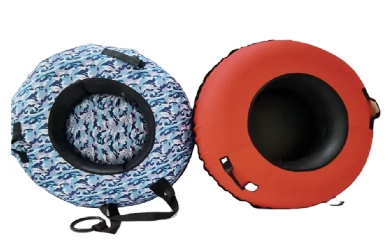
Swim tubes are ideal for beginners who are still getting comfortable in the water. They provide buoyancy, allowing individuals to relax and float without the fear of sinking. Beginners can use swim tubes to acclimate to being in the water, helping to reduce anxiety and build confidence. This initial comfort is important, as it creates a positive association with the water, which is essential for later stages of learning to swim. Swim tubes can be used in calm, shallow water environments to help beginners ease into the experience.
While swim tubes are helpful for gaining comfort, they should not be relied upon as a primary learning tool. Beginners should use swim tubes in conjunction with formal swimming lessons. Swim lessons teach the necessary skills, such as proper kicking, arm strokes, and breathing techniques, that swim tubes cannot. Once a beginner has gained confidence with the support of a swim tube, it can be used to practice basic water movements or floating skills. However, it’s important to gradually phase out the tube as swimming techniques are developed, ensuring that the learner progresses to swimming independently without flotation devices.
While swim tubes can help beginners feel comfortable in the water, they are not ideal for teaching swimming skills. Life jackets are a safer and more reliable flotation option, as they are specifically designed to keep the wearer afloat in various water conditions, including deep water. Life jackets provide more freedom of movement compared to swim tubes and are recommended for beginners who need additional buoyancy.
Kickboards are another great tool for swimmers to practice kicking techniques while focusing on their arm movements. They help beginners build strength and coordination while encouraging the proper body position in the water. Similarly, other flotation devices like swim belts and floatation vests are designed to provide support while allowing the user to practice key swimming skills, such as paddling and kicking, without depending on a swim tube.
Although flotation devices like life jackets and kickboards can be useful, they are not a substitute for formal swimming lessons. Professional lessons are essential for developing the proper swimming techniques and ensuring safety in the water. Trained instructors can teach beginners the proper form for strokes, breathing techniques, and body positioning, while providing the necessary guidance to become confident and proficient swimmers. Lessons will also help beginners transition from relying on flotation devices to swimming independently, ensuring that they develop the skills required for safe and effective swimming.
Swim tubes can help beginners feel more comfortable and buoyant in the water, making them ideal for building confidence. However, they do not teach proper swimming techniques, such as breathing, arm strokes, or body position. Swim tubes are best used for relaxation and getting comfortable in the water, but they should not be relied upon for developing actual swimming skills.
Yes, swim tubes are great for helping kids gain confidence in the water and feel supported while they get used to the water environment. However, they should be used alongside professional swimming lessons to help children develop essential swimming skills like kicking, arm movements, and breathing techniques. Swim tubes should not be the sole method for learning to swim.
Beginners should use swim tubes as long as they need to feel comfortable and confident in the water. However, once they are at ease, it’s important to transition to learning proper swimming techniques, such as floating without support and practicing arm and leg movements. Relying on swim tubes for too long may delay progress in building the skills necessary to swim independently.
Kickboards, life jackets, and floating belts are better alternatives for beginners who want to focus on swimming techniques. Unlike swim tubes, these flotation devices allow for more mobility and help learners practice proper kicking, paddling, and body positioning. Kickboards are especially useful for practicing leg movement, while life jackets provide the security needed for beginners in deeper water. These devices are specifically designed to support swimming practice, making them more effective tools for learning to swim.
Swim tubes can be a valuable tool for beginners, offering buoyancy and support, which helps them build confidence in the water. They are particularly useful for relaxation and for acclimating to the water environment, making it easier for individuals to overcome the initial fear of being in the water. However, while they provide comfort, swim tubes come with limitations. They do not teach essential swimming techniques like proper arm strokes, breathing control, or body positioning. Additionally, prolonged reliance on swim tubes may lead to dependence, hindering the development of critical swimming skills such as kicking, paddling, and floating independently.
To truly develop swimming abilities, it is essential to use swim tubes in moderation, balancing their use with formal swimming lessons. Professional swimming lessons offer the necessary guidance, teaching beginners how to use their bodies effectively in the water and helping them transition from flotation devices to swimming on their own. By combining the use of swim tubes with structured swimming lessons, beginners can gain both the confidence and competence needed to become independent, skilled swimmers. This balanced approach ensures a smoother learning process and a safer experience in the water.


