


Have you ever wondered if snow tubes are worth the hype? Snow tubing is a thrilling winter activity, offering joy and excitement for all ages. Snow tubes are large, inflatable rings designed for sliding downhill on snowy slopes. They are easy to use, requiring no special skills, making them a popular choice in winter sports. In this article, you'll learn about the benefits of snow tubing, types of snow tubes, safety tips, and where to enjoy this exhilarating activity.
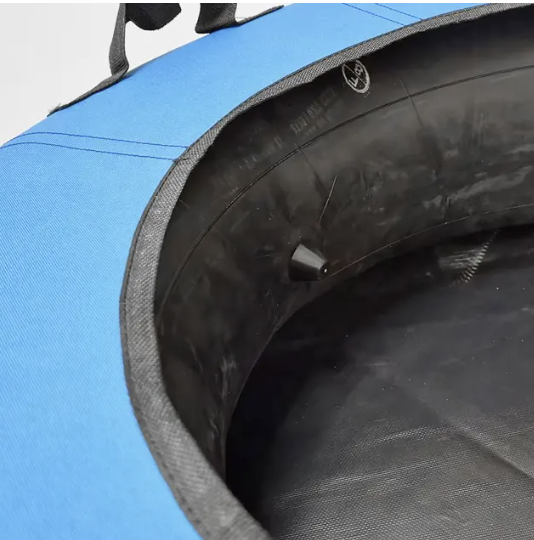
Snow tubes are large, inflatable rings designed specifically for sliding down snow-covered slopes. Usually made from durable, puncture-resistant materials, they feature handles for grip and safety. Think of them as the winter version of water park inner tubes—big, soft, and built for fun. They come in various sizes and shapes, but most are round or donut-shaped, making them easy to sit in and steer. When you sit on a snow tube, gravity pulls you downhill, providing a smooth, exhilarating ride.
Snow tubing first appeared in the early 1980s, with the term "snow tube" first recorded in 1982. Initially, it was a simple activity—people using inner tubes or makeshift devices to slide down snowy hills. Over time, manufacturers developed specialized snow tubes with reinforced materials, better safety features, and attractive designs. Today, snow tubing parks and resorts have dedicated lanes and safety measures, making it a popular winter activity worldwide. Its evolution reflects a shift from casual fun to a well-organized sport enjoyed by families, groups, and adventure seekers alike.
Unlike skis or snowboards, snow tubes don’t require skill or balance. They’re simple to use—just sit, hold on, and enjoy the ride. Sleds are similar but often made of wood or plastic, with harder surfaces and less cushioning. Snow tubes, by contrast, are inflatable, offering a softer, more comfortable experience. They also tend to be more versatile, capable of handling various snow conditions, from powder to packed snow, thanks to their inflatable design and materials. Additionally, snow tubes are generally safer for beginners and children because they come with handles and are less likely to cause injuries if used properly.
Tip: Always check the quality of the snow tube's material and safety features before purchasing or renting to ensure a safe and enjoyable experience.
Snow tubing offers pure adrenaline and joy. The thrill of speeding downhill on a soft, inflatable ring is hard to beat. Whether you're a kid or an adult, the sensation of gliding over fresh snow creates a rush of excitement. The unpredictable twists and turns keep the experience fresh and lively. Plus, the feeling of gravity pulling you down, combined with the crisp winter air, makes every ride exhilarating.
One of snow tubing’s biggest advantages is its inclusivity. Unlike skiing or snowboarding, it doesn't demand special skills or physical strength. Kids as young as five can enjoy a ride, provided they sit safely and hold on tight. Elderly riders or those with limited mobility can also join in, making it a perfect family activity. Snow tubing parks often design their lanes and safety features to accommodate everyone, ensuring a fun experience for all.
Snow tubing is budget-friendly. Most parks charge between $20 and $30 for a two-hour session. You avoid expensive equipment rentals, lessons, and lift tickets typical of skiing or snowboarding. All you need is warm clothes and a helmet, which many parks provide or recommend. This affordability makes snow tubing a great option for families, groups, or anyone wanting winter fun without breaking the bank.
Snow tubing naturally encourages social interaction. Sharing a ride with friends or family creates memorable moments. Many parks have multiple lanes, so groups can race or cheer each other on. It’s also easy to introduce newcomers, fostering new friendships. The relaxed, fun environment helps break the ice and enhances bonding. Whether celebrating a special occasion or just enjoying a day out, snow tubing offers plenty of opportunities to connect with loved ones.
Tip: When planning a snow tubing outing, consider booking in advance, especially during peak seasons, to secure your spot and avoid disappointment.
When choosing a snow tube, consider how many people will ride at once. Single rider tubes are designed for one person. They’re usually smaller, lighter, and easier to handle, making them perfect for kids or solo adventurers. Multi-rider tubes are larger, capable of holding two or more riders. They often have extra handles and reinforced seating areas to accommodate groups. Multi-rider tubes allow for fun social rides, races, or family outings. However, they can be heavier and more challenging to steer, especially on steep slopes or icy surfaces.
The durability and safety of a snow tube depend heavily on its materials. Most high-quality snow tubes feature an inflatable PVC bladder inside a tough, puncture-resistant cover. The bladder provides cushioning, while the outer cover protects against tears and abrasion. For the bottom surface, manufacturers often use slick, heavy-duty materials like vinyl, urethane, or tarpaulin. These surfaces reduce friction, helping you slide faster downhill. Some tubes have reinforced bottoms designed to withstand rough snow or ice, preventing punctures and prolonging their lifespan.
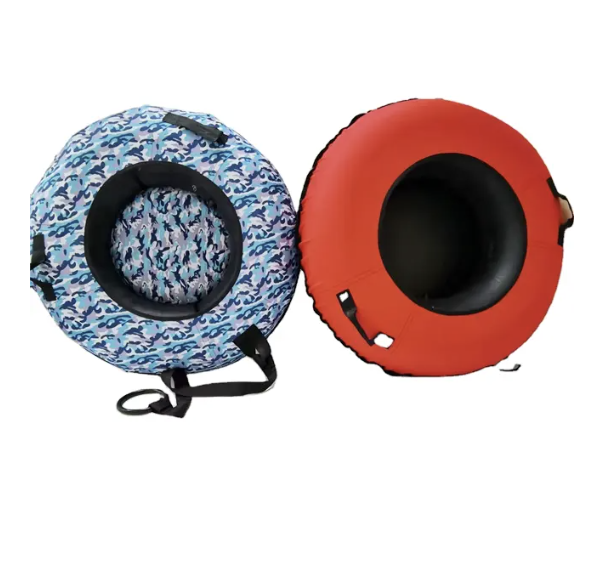
Snow tubes come in a variety of shapes, sizes, and features. Round or donut-shaped tubes are the most common, offering stability and easy steering. Others may have flat or sled-like designs for specific riding styles. Some tubes include additional features such as armrests, backrests, or foot holes for added comfort. Handles are essential safety features, giving riders a secure grip during the ride. Bright colors and eye-catching patterns are common, making the tubes visible and fun. Advanced models might also include reinforced seams, heavy-duty valves for quick inflation, and extra padding for comfort.
Selecting the best snow tube depends on your riding style, age, and environment. For kids or beginners, smaller, single-rider tubes with simple designs work well. If you plan to share rides or race with friends, look for larger, multi-rider tubes. Consider the snow conditions—packed snow requires a durable, slick-bottomed tube for speed, while softer snow benefits from a more cushioned, wider design. Also, think about safety features like handles and reinforced seams. Always check the weight capacity and material quality before purchasing or renting. Properly inflated tubes last longer and perform better, so maintenance and correct inflation are key.
Tip: When selecting a snow tube, prioritize safety features, material durability, and size compatibility with your riding environment to ensure a fun, safe experience.
Wearing a helmet is one of the most crucial safety measures for snow tubing. Even though snow tubes are designed with safety features, accidents can happen. Helmets protect your head from injuries caused by falls, collisions, or hitting obstacles like trees or rocks. Many snow tubing parks require helmets, especially for children, but it’s wise for everyone to wear one. Helmets should fit snugly and be properly secured to stay in place during the ride. Investing in a good-quality helmet can significantly reduce the risk of serious injury and ensure a safer, more enjoyable experience on the slopes.
Most snow tubing parks incorporate various safety features to protect riders. These often include clearly marked lanes, barriers, and fencing along the sides of the tubing tracks. Designated loading and unloading zones help prevent collisions between riders and incoming tubes. Some parks use conveyor belts or magic carpets to carry tubers to the top, reducing the risk of slips and falls while climbing. Additionally, many parks implement speed controls, such as gentle slopes or braking zones, to prevent excessive speeds that could lead to accidents. Staff members are usually trained to enforce safety rules and assist in case of emergencies, ensuring a controlled environment for all visitors.
Beginners should take extra precautions to enjoy snow tubing safely. First, start on gentler slopes to get comfortable with handling the tube. Always sit upright, hold onto the handles firmly, and keep your feet inside the tube. Avoid sudden movements or leaning too far to one side, which can cause loss of control. It’s also important to listen to staff instructions and follow posted signs. If you’re unsure about how to steer or brake, ask for guidance before heading down the hill. For children or less experienced riders, using a multi-rider tube with extra handles provides added stability. Wearing appropriate clothing, including gloves and waterproof jackets, keeps you warm and dry, reducing the risk of hypothermia or discomfort that might distract or impair your focus.
Properly inflated snow tubes are vital for safety and performance. Under-inflated tubes can become unstable or prone to punctures, while over-inflated ones might burst or become too rigid, reducing comfort. Always check the manufacturer’s inflation guidelines and use a reliable pump to achieve the recommended pressure. Before each use, inspect the tube for any signs of damage, such as tears, leaks, or worn seams. Punctures or weak spots should be repaired immediately with patches or replaced if necessary. Proper maintenance extends the lifespan of the tube and ensures it functions safely during rides. During use, avoid dragging the tube over rough or sharp surfaces, which can cause punctures. When not in use, store snow tubes in a cool, dry place away from direct sunlight to prevent material degradation.
Tip: Regularly inspect your snow tube for damage and maintain proper inflation to maximize safety and ride quality during your winter adventures.
When choosing a spot for snow tubing, several factors come into play. The location you pick can greatly influence your overall experience, safety, and enjoyment. Whether you're seeking famous destinations or unique, lesser-known spots, understanding what makes a good snow tubing site helps you plan better.
Some locations are renowned worldwide for their excellent snow tubing facilities. In North America, places like Colorado Adventure Park in Colorado and Mohawk Mountain in Connecticut stand out. Colorado Adventure Park offers a variety of winter activities, including snow tubing for about $35 an hour, with dedicated lanes and safety features. Mohawk Mountain provides multiple snow tubing lanes, ski lessons, and beautiful mountain scenery, making it a favorite for families and thrill-seekers alike.
In Europe, Grandvalira in Andorra boasts one of the longest snow tubing tracks in the world, stretching over 350 meters. Its twists, tunnels, and scenic views make it a must-visit. Many of these parks and resorts feature well-maintained slopes, safety barriers, and rental equipment, making them ideal for all skill levels.
Some destinations offer distinctive snow tubing adventures. For example, Val Thorens in France hosts night snow tubing, where you can slide under the stars. In Japan, Niseko United offers snow tubing combined with hot springs, creating a relaxing contrast to the adrenaline rush. These unique experiences often include special lighting, themed lanes, or scenic rides that add extra fun and memorable moments.
Another example includes Snow World in Dubai, which features indoor snow tubing in a climate-controlled environment. This allows snow fun regardless of outside weather conditions, perfect for those in warmer climates or during off-season months.
When selecting your snow tubing destination, keep these factors in mind:
Safety Measures: Look for parks with barriers, fencing, and staff-trained personnel. Helmets should be mandatory or readily available.
Track Length and Design: Longer, more varied tracks provide more fun and excitement. Tunnels, twists, and elevation changes enhance the experience.
Facilities and Amenities: Check if the location offers rentals, food options, rest areas, and warming stations. Easy access to restrooms and changing rooms adds convenience.
Cost and Value: Compare prices for lift passes, equipment rentals, and packages. Some parks offer discounts for groups or multi-day passes.
Accessibility: Consider how easy it is to reach the location, parking availability, and proximity to accommodations if needed.
Snow Conditions: Ensure the site maintains good snow quality, especially during peak season. Some parks use snowmaking technology to ensure consistent conditions.
By weighing these factors, you can find a snow tubing spot that matches your skill level, budget, and adventure preferences. Whether you prefer a famous resort or a hidden gem, choosing the right location makes all the difference for a fun, safe, and memorable winter outing.
While snow tubes and river tubes share some common traits, they are designed for very different environments and purposes. Understanding their similarities and differences helps you select the right equipment for your adventure.
Both types of tubes are inflatable, ring-shaped, and made from durable materials. They often feature handles for grip and safety, making rides more controlled. Many are equipped with valves for quick inflation and deflation, and some models can hold multiple riders, adding social fun. Their shapes mostly tend to be round, but variations like sled-like or lounge-style designs exist.
Both are used for recreational activities—whether sliding down snow-covered slopes or floating along rivers. They are versatile and portable, easy to pack and carry to different locations. Safety features like reinforced seams and sturdy valves are common to prevent blowouts or leaks during use.
The main difference lies in their construction tailored to specific environments. Snow tubes are built to withstand cold temperatures and snowy terrain. They feature slick, heavy-duty vinyl or urethane bottoms designed to reduce friction, helping them slide faster downhill. Their outer covers often include snow-resistant materials, and they are reinforced to handle icy, jagged surfaces.
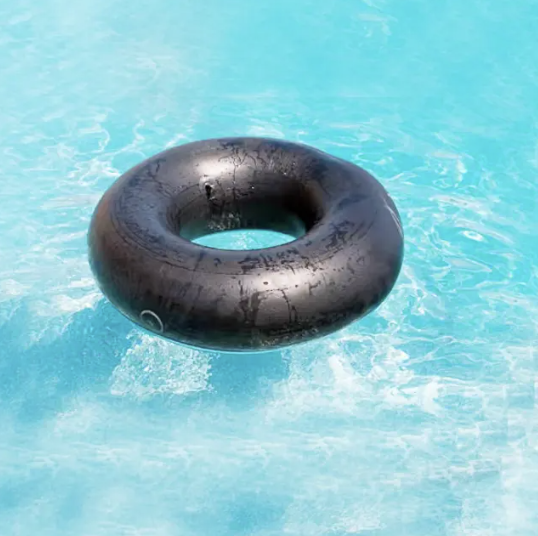
River tubes, on the other hand, are designed to handle water conditions. Their bottoms are often mesh or reinforced PVC, enabling water to drain and preventing debris from accumulating. They are made from materials that resist UV light, chlorine, and water damage. Their structure allows paddling or steering, making them suitable for floating or navigating currents.
The bottom design is a key distinction: snow tubes usually have slick, smooth surfaces for speed on snow, while river tubes feature textured or mesh bottoms for grip and drainage in water.
Using the correct tube for the environment ensures safety, performance, and durability. Snow tubes with mesh or water-permeable bottoms won’t perform well on snow—they would drag or sink into the snow, reducing speed and control. Conversely, snow tubes with slick bottoms would be less effective on water, as they might not drain properly or could become damaged by moisture and cold.
Choosing the right equipment also minimizes the risk of accidents. Snow tubes are made to endure cold, icy surfaces, with materials that resist cracking and tearing. River tubes are built to handle water, with reinforced bottoms that resist punctures and tearing from rocks or debris.
In summary:
Feature | Snow Tubes | River Tubes |
Environment | Snow, ice | Water, rivers, pools |
Bottom surface | Slick vinyl/urethane | Mesh or reinforced PVC |
Material resistance | Cold, ice, snow | Water, UV, chlorine |
Paddling/steering | Limited or none | Yes, designed for maneuvering |
Damage resistance | Puncture-resistant, cold-resistant | Puncture-resistant, water-resistant |
Always match your tube choice with the environment to maximize safety and fun. Using the wrong type can lead to damage, poor performance, or accidents.
Always inspect your tube before use, ensuring proper inflation and no damage. Carry a patch kit, pump, and extra tube for safety, especially in remote areas. Proper equipment selection enhances your experience and keeps everyone safe during snow or water adventures.
Snow tubing offers thrilling, accessible fun for all ages, making it a fantastic winter activity. It's cost-effective and encourages social bonding, providing a unique experience compared to other winter sports. If you're seeking excitement without the need for skill or expensive gear, snow tubing is worth trying. Nantong BinRui Industry and Trade Co., Ltd. offers high-quality snow tubes, ensuring safety and durability for an enjoyable experience. Their products provide excellent value, enhancing your winter adventures with reliable performance.
A: Snow Tubes are large, inflatable rings designed for sliding down snow-covered slopes, offering a fun and exhilarating winter activity for all ages.
A: Snow Tubes generally range from $20 to $100, depending on size, materials, and features like reinforced seams or extra handles.
A: Snow Tubes offer a softer, more comfortable ride with better versatility and safety features, making them ideal for beginners and children.
A: Check for proper inflation, inspect for damage, and ensure the tube has safety features like handles and durable materials before use.


