
Views: 0 Author: Site Editor Publish Time: 2025-12-31 Origin: Site


Looking for fun winter or summer adventures? Whether you’re speeding down snowy hills or relaxing in a pool, choosing the right tube is key. But what’s the difference between snow tubes and swimming tubes?
In this article, we’ll explore the key differences between these two types of tubes, including the materials, design, and how to choose the best one for your next adventure.
You’ll learn about the unique features of snow tubes, especially snow tubes for adults, and swimming tubes, helping you pick the perfect one for your activity.
2.1 Snow Tubes Definition
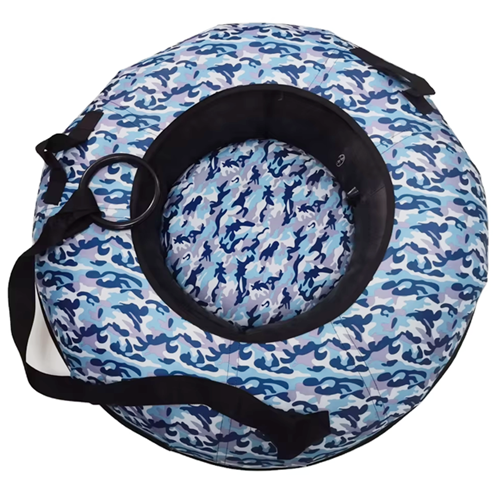
Snow tubes are large, inflatable tubes specifically designed for use on snowy terrains. Typically, they are round and made of durable materials that can handle the harsh conditions of snow-covered hills. Snow tubes are meant to glide smoothly over the snow, offering a fun and bouncy ride as you descend slopes. The main feature of snow tubes is their ability to provide a controlled, fast, and enjoyable ride on packed or icy snow. Most snow tubes come with sturdy handles to help riders stay secure and manage their speed.
2.2 Swimming Tubes Definition
Swimming tubes, also known as float tubes, are designed for use in water environments like pools, lakes, or rivers. These tubes are typically made from durable, water-resistant materials that float and can withstand constant exposure to water. Swimming tubes come in various sizes and shapes, often with features such as cup holders, backrests, and mesh bottoms for added comfort. Their primary purpose is to provide a stable and relaxing ride while floating on water, often used for lounging or for floating in water bodies.
3.1 Snow Tube Design Features
Snow tubes are specifically built for cold temperatures. They are made from materials such as PVC or urethane, which are designed to resist freezing and cracking. The bottom of a snow tube is usually coated with a slick, cold-resistant material, such as reinforced vinyl or tarpaulin, to reduce friction and increase speed as the tube slides down a snow-covered slope. These tubes are also equipped with double-welded seams for added durability and are often reinforced with extra layers to prevent tears from jagged snow and ice. Many snow tubes are designed with handles for better control, allowing the rider to manage their movement.
3.2 Swimming Tube Design Features
Swimming tubes are designed to withstand constant exposure to water. They are typically made from reinforced PVC or vinyl, which can endure water-related wear and tear, including the potential for punctures. Unlike snow tubes, swimming tubes often feature mesh bottoms to allow water to flow through, ensuring they don’t become waterlogged. They are also designed for buoyancy, providing a comfortable and stable float. Swimming tubes may include additional features like cup holders, backrests, or multiple tow points for added convenience and comfort while floating.
4.1 Speed and Stability of Snow Tubes
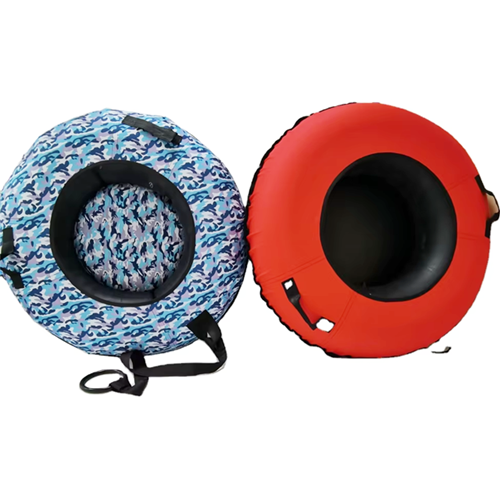
Snow tubes are built for speed. Thanks to their smooth, slick bottoms, snow tubes can glide quickly over snow, offering a thrilling ride down snowy hills. The reduced friction allows the rider to experience fast speeds, which is ideal for those who enjoy an adrenaline rush. Snow tubes are more agile than other snow riding options, providing a fun and exhilarating experience.
4.2 Stability and Control of Swimming Tubes
Swimming tubes, by design, prioritize stability over speed. These tubes are intended to float on water, ensuring a relaxing and stable ride. Their buoyant construction guarantees that the rider stays afloat, even in rough water. Swimming tubes are designed for comfort and leisure, offering features like backrests and cup holders for a relaxed, secure float. However, they aren’t built for speed and are more about enjoying a smooth and steady ride on the water.
5.1 Material Requirements for Snow Tubes
Snow tubes are made from materials that can endure cold temperatures and rough, icy conditions. PVC or urethane bladders are commonly used to hold the air, while the outer covers are made of reinforced nylon or vinyl to resist punctures. The bottom of the tube is designed to be slick, allowing it to glide smoothly over snow. Snow tubes are treated with cold-crack additives, which prevent the materials from becoming brittle in freezing temperatures. These tubes need to be durable, as they are subject to bouncing over snow and ice.
5.2 Material Requirements for Swimming Tubes
Swimming tubes are designed to withstand constant exposure to water. They are typically made from reinforced PVC, which is resistant to punctures and UV rays. The materials used in swimming tubes are flexible and water-resistant, ensuring that the tube remains buoyant and intact even after prolonged use in the sun or water. Swimming tubes also feature mesh or reinforced bottoms to allow water drainage and reduce the risk of becoming waterlogged. Their construction ensures comfort and durability, even when floating for long periods.
6.1 Snow Tubes for Snow Environments
Snow tubes are the ideal choice for snowy slopes and winter activities. These tubes are designed for maximum fun on snow-covered hills and are perfect for both recreational and family use. Whether you are at a snow park or a resort, snow tubes provide an exhilarating way to enjoy the winter outdoors. Their speed, durability, and design make them the go-to option for snow-based adventures.
6.2 Swimming Tubes for Water Environments
Swimming tubes are perfect for use in water activities such as floating on lakes, rivers, pools, or behind boats. Whether you’re relaxing in a lazy river, lounging at the pool, or tubing behind a boat, swimming tubes are the best choice for a comfortable and relaxing ride. Their design ensures buoyancy and stability on the water, making them an excellent choice for a leisurely water-based activity.
7.1 Safety Tips
Safety should always be a priority when using snow or swimming tubes. Here are some essential safety tips:
Always wear a helmet when snow tubing to protect your head from potential impacts with snow, ice, or obstacles.
Inspect your tube before use for any signs of damage, like tears or punctures.
Follow the safety guidelines provided by the tubing facility or resort.
For swimming tubes, always wear a life jacket and ensure the tube is properly inflated before use.
Keep a safe distance from other tubers to avoid collisions.
7.2 Maintenance and Care
Proper maintenance is essential to extend the lifespan of your snow or swimming tube. Here are some tips for keeping your tubes in top condition:
Always deflate your tube after use and store it in a cool, dry place to avoid deterioration from UV rays or freezing temperatures.
Repair any punctures immediately using a patch kit.
Regularly check for any signs of wear or tear, especially around the seams and valve areas.
For swimming tubes, ensure the mesh bottom is clear of debris to prevent clogging or water retention.
| Feature | Snow Tubes | Swimming Tubes |
|---|---|---|
| Material | PVC, Urethane, Cold-resistant covers | Reinforced PVC, Mesh for drainage |
| Environment | Snow-covered hills, icy terrains | Rivers, lakes, pools, water bodies |
| Design Features | Slick bottoms, reinforced handles | Mesh bottoms, cup holders, tow points |
| Durability | Cold crack additive, reinforced seams | UV-resistant, water-resistant |
| Main Use | Sliding on snow | Floating, water activities |
Q: What is the main difference between snow tubes and swimming tubes?
A: Snow tubes are designed for use on snowy slopes, offering a smooth ride on ice, while swimming tubes are built for floating on water, providing stability and comfort.
Q: Can I use a snow tube for water activities?
A: While snow tubes are built for snowy environments, they are not recommended for water activities due to their slick bottoms and material design, which aren’t suited for water.
Q: Are snow tubes for adults different from those for kids?
A: Yes, snow tubes for adults are typically larger and made from more durable materials to handle more weight and rougher terrain compared to kid-sized tubes.
Q: Why are snow tubes made with cold-resistant materials?
A: Snow tubes are made with cold-resistant materials, like PVC, to prevent cracking and ensure they perform well in freezing temperatures on snowy slopes.
Q: How much do snow tubes for adults typically cost?
A: Snow tubes for adults generally range from $30 to $100, depending on size, material, and additional features like handles or reinforced bottoms.
Q: Can I use a swimming tube for snow tubing?
A: Swimming tubes are designed for buoyancy on water, not speed on snow. Their design makes them unsuitable for snow activities due to their soft bottoms and drainage features.


