


Winter brings excitement, and snow tubing is one of the best ways to enjoy it. Have you ever wondered what a snow tube is and how it differs from traditional sledding? In this article, we will explore the concept of snow tubes, including "Snow Tubes" and "snow tubes heavy duty." You’ll learn how snow tubes offer a thrilling yet easy experience for all ages.
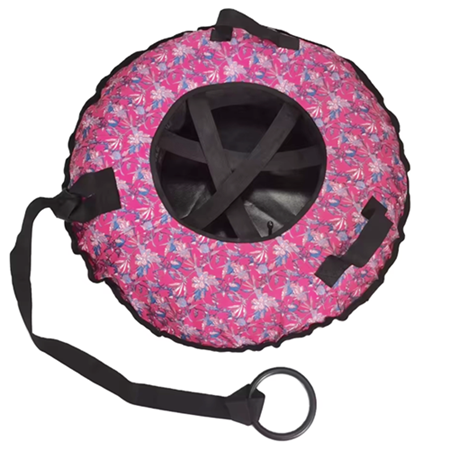
A snow tube is a large, inflatable, ring-shaped device designed to be ridden down snow-covered slopes. Unlike traditional sleds or toboggans, snow tubes offer a cushioned, comfortable ride, allowing users to experience the thrill of gliding down snowy hills without the need for extensive skill or equipment. Snow tubes are specifically designed for winter fun, and they are easy to use, making them ideal for people of all ages.
The design of a snow tube is simple yet effective. The air-filled core of the tube provides buoyancy and comfort, making it an enjoyable experience as you slide down snowy inclines. Unlike hard, rigid sleds, snow tubes provide a soft, bouncy ride, reducing the risk of injury on impact.
Snow tubing started with a simple idea: a rubber ring for sliding down hills. Early versions were basic, made from rubber or vinyl and often used for recreational purposes by children. These early snow tubes were not as durable as the modern versions we use today. Over time, the design evolved as manufacturers began incorporating better materials and more refined construction techniques.
Today, snow tubes are made from high-quality, durable materials such as PVC and urethane, allowing them to withstand harsh winter conditions. Additionally, modern snow tubes feature reinforced bottoms and sturdy handles for increased safety and control. The transition from basic rubber rings to robust, high-performance snow tubes has made this winter activity more accessible and enjoyable for a wider audience.
Snow tubing offers a unique experience compared to other winter sports like skiing and snowboarding. While skiing and snowboarding require significant skill, balance, and training, snow tubing is easy to pick up and enjoy. The only requirement is to sit in the tube and let gravity do the work as you slide downhill. This makes snow tubing accessible to beginners, children, and people who may not have the physical stamina or skills required for other snow sports.
Additionally, unlike sledding, which often involves navigating by hand or foot, snow tubing offers a much smoother, more comfortable ride. The inflatable design of snow tubes allows them to glide over the snow with ease, creating a thrilling yet safe ride down the slope.
Snow tubes are constructed using durable materials that can withstand the harsh cold and rough terrains associated with winter sports. Common materials include:
Material | Description | Use Case |
PVC (Polyvinyl Chloride) | Flexible and cold-resistant; provides strength and durability. | Inner bladder of the tube. |
Urethane | Impact-resistant, ensuring durability over repeated use. | Used in reinforced areas for extra toughness. |
Nylon and Vinyl Covers | Reinforced to protect the inner bladder from punctures, abrasions, and damage. | Outer covering, ensuring shape and integrity. |
These materials are chosen for their strength, flexibility, and ability to perform well under the extreme conditions of snow and ice. They ensure the snow tube can withstand repeated use and endure the wear and tear of sliding down slopes.
The bottom of a snow tube plays a significant role in its performance. Snow tubes are designed to reduce friction and increase speed, allowing for an exhilarating ride down the hill. To achieve this, manufacturers use materials such as:
Bottom Material | Function | Benefits |
Slick Puncture-Resistant Tarpaulin | Reduces friction, increasing speed. | Smooth, fast glide; puncture-resistant. |
Hard HDPE Molded Bottoms | Provides durability and protection against sharp objects on snow. | More rugged, ideal for rougher terrains. |
By using these materials, snow tubes can slide effortlessly across packed snow, offering a fast and smooth ride.
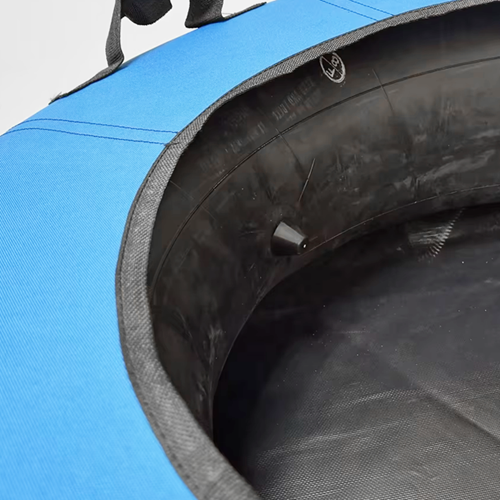
Snow tubes are designed with safety in mind. The durable materials used in their construction ensure that they can handle the rigors of sliding down slopes, while safety features like reinforced handles and sturdy covers help keep users secure. Additionally, modern snow tubes often come with internal air valves that allow for easy inflation and deflation.
When used correctly, snow tubes offer a fun and safe experience. However, it’s important to inspect the tube for damage before use and ensure that it is properly inflated to maintain safety and performance.
One of the first decisions to make when choosing a snow tube is whether to go for a single-rider or a multi-rider design.
Type of Snow Tube | Description | Ideal For |
Single-Rider Snow Tubes | Compact, designed for one person. | Individuals looking for a fast, agile ride. |
Multi-Rider Snow Tubes | Larger, designed for two or more riders. | Families or groups who want to share the experience. |
Snow tubes come in various shapes, each offering unique features. Some common shapes include:
● Hexagonal Tubes: These tubes offer extra stability due to their shape, making them ideal for those who prefer a steadier ride.
● Lounge-Style Tubes: These tubes are designed with backrests and armrests for added comfort, making them perfect for those looking for a more relaxed experience.
Each design is optimized for different types of snow conditions and rider preferences.
When selecting a snow tube, it's essential to consider the type of snow you'll be riding on. For example, if the snow is soft and powdery, a larger snow tube with a greater surface area will provide a better glide. On the other hand, for compact or icy snow, a smaller, more streamlined tube will perform better.
Be sure to choose a tube made from durable, cold-resistant materials that can withstand the specific conditions of the slopes you plan to ride.
Using a snow tube is simple and fun. To get started, follow these steps:
1. Find a Designated Snow Tubing Area: Ensure that the slope is safe and free of obstacles.
2. Sit on the Tube: Position yourself comfortably with your feet pointing downhill.
3. Hold the Handles: Securely grip the handles on either side of the tube to maintain control.
4. Push Off: Gently push off from the top of the hill using your hands or feet to start sliding.
5. Control Your Speed: To slow down or stop, lean back slightly or use your hands to steer.
Safety is paramount when snow tubing. Here are some tips to ensure a safe experience:
● Always wear a helmet.
● Check the snow tube for any punctures or damage before use.
● Make sure the tube is properly inflated.
● Stay within designated lanes to avoid collisions.
● Keep a safe distance from other tubers.
To stay warm and dry while snow tubing, make sure to wear:
● Waterproof Jackets and Pants to protect against the cold.
● Insulated Gloves and Socks to keep your extremities warm.
● Sturdy Waterproof Boots for better traction.
Avoid wearing cotton, as it can absorb moisture and make you feel cold. Instead, opt for wool or synthetic materials that are breathable and moisture-wicking.
While snow tubes and river tubes may look similar, they are designed for entirely different environments. Snow tubes are built to glide smoothly over snow, with slick, low-friction bottoms that allow for high-speed rides down snowy slopes. River tubes, on the other hand, are designed to float on water, often featuring mesh bottoms to allow water drainage.
Using a snow tube for river tubing is not recommended. Snow tubes are optimized for cold, snowy conditions, and their slick bottoms are not suitable for water. The materials used for snow tubes may also become brittle and prone to damage when exposed to water.
For snow activities, always choose a snow tube with a slick, durable bottom and reinforced materials for cold resistance. For water-based activities, select a river tube designed for buoyancy and water flow. Ensuring the correct tube for each environment will guarantee a safe and enjoyable experience.
Snow tubing is an easy-to-learn, fun winter activity for all ages. It provides a thrilling experience, offering a smooth and safe ride down snow-covered slopes. Whether you're a beginner or experienced, snow tubes ensure an enjoyable adventure.
For a high-quality snow tubing experience, consider products from Nantong BinRui Industry and Trade Co., Ltd.. Their durable snow tubes are designed to provide excellent performance and lasting enjoyment for all winter enthusiasts.
A: A snow tube is a large, inflatable ring designed for sliding down snow-covered slopes. It offers a comfortable, thrilling ride and is easy to use, making it perfect for all ages.
A: Snow tubes heavy duty are made of durable materials like PVC and urethane, designed to withstand harsh conditions. They feature reinforced bottoms and sturdy covers for extra protection and longevity.
A: To use a snow tube, sit in the tube with your feet pointing downhill. Hold the handles, push off from the top, and let gravity take you down the slope. It's a simple and enjoyable winter activity.
A: Snow tubes heavy duty are designed for more durability and performance, especially on rugged terrain. They can withstand frequent use, ensuring a long-lasting and safe snow tubing experience.
A: Snow tubes typically range in price from $20 to $100, depending on size, material, and durability. Heavy-duty models may cost more due to their enhanced features and stronger build.


