
Views: 0 Author: Site Editor Publish Time: 2026-02-02 Origin: Site


Swim tubes are a popular and enjoyable way to relax and have fun in the water, whether at the pool, lake, or beach. They provide buoyancy and stability, allowing users to float comfortably on the water's surface. However, despite their fun nature, safety should always be a top priority when using swim tubes. While they are generally safe, improper use or lack of supervision can lead to accidents or injuries, especially for children or in deeper waters. It’s essential to follow safety tips to ensure a secure and enjoyable experience. This article covers key swim tube safety tips that will help you make the most of your time in the water while minimizing risks.
Always inspect your swim tube for any visible damage, such as leaks, punctures, or tears. Run your hands along the surface to feel for any areas that may feel uneven or deflated. If you find any damage, repair the tube or replace it before use to avoid accidents in the water.
Proper inflation is crucial for safety. An underinflated tube will not provide adequate buoyancy, while overinflating can lead to the tube bursting under pressure. Follow the manufacturer's recommended inflation guidelines and use a pump to achieve the correct firmness.
Swim tubes are best used in calm, controlled environments such as pools, calm lakes, or designated swimming areas. Avoid using swim tubes in rough waters, strong currents, or deep water where it may be difficult to maintain stability. Always ensure you’re in a safe location for recreational floating.
Adult supervision is essential whenever children are using swim tubes, regardless of their swimming skills. Even in shallow water, children can easily lose balance, tip over, or slip out of the tube. For safety, an adult should always be within arm's reach, ready to assist if the child encounters any difficulty. Children can quickly become disoriented or frightened in the water, and having an adult present ensures that any issues are addressed immediately. Never assume that a swim tube will prevent accidents—active supervision is key to keeping children safe in the water.
For younger children, it’s crucial to select swim tubes that come with additional safety features. Look for tubes designed with backrests, leg holes, or safety straps. Backrests help to support the child’s back, ensuring that they remain upright and securely positioned in the tube. Leg holes and straps provide additional security by preventing the child from slipping out of the tube, which is especially important for younger or more active children. Additionally, some swim tubes come with safety valves that prevent air leakage, adding an extra layer of protection. These features help to enhance the overall safety of the child while providing more stability and comfort in the water.
It’s important to choose a swim tube that is appropriate for the child’s size, weight, and age. Swim tubes are designed to support certain weight ranges, and using a tube that is either too small or too large can be dangerous. A tube that is too small will not provide enough buoyancy, and the child may struggle to stay afloat or feel uncomfortable. On the other hand, a tube that is too large may be difficult for the child to control, leading to instability and the risk of falling out. Always check the manufacturer’s recommended weight limits for the swim tube to ensure a proper fit, and make sure the child can comfortably sit or float without feeling cramped or unbalanced.
Even in shallow water, children should never be left unsupervised while using swim tubes. Many parents may think that shallow water is safe enough for their child to float freely, but accidents can still occur. Swim tubes are not life-saving devices, and there’s always a risk of the child tipping over or becoming disoriented. In shallow water, a child might not be able to get back into the tube on their own, or they might accidentally slip out, leading to panic or difficulty getting back to safety. Always stay within arm's reach, even in areas where the water is only a few inches deep, and never leave children alone in the water, even for a brief moment.
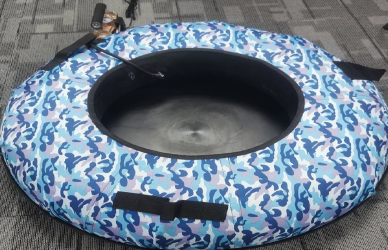
Swim tubes are designed for leisure and relaxation, not as a substitute for life-saving devices. While they provide buoyancy, they cannot be relied upon in emergency situations. If you're in need of rescue or are in a life-threatening scenario, always prioritize using a life jacket or personal flotation device (PFD) designed for safety. Swim tubes may offer comfort, but they do not offer the support or stability required for survival in hazardous water conditions.
Swim tubes should be used in calm, shallow waters where the user can easily maintain control and stability. In deeper water or areas with strong currents, using a swim tube can be risky. The current can carry you away from your original position, making it harder to control the tube or get back to safety. Additionally, the deeper the water, the more difficult it becomes to maintain balance, increasing the likelihood of tipping over. Always assess the water conditions before using a swim tube and avoid using it in areas with strong waves, fast-moving currents, or deep water where assistance may not be readily available.
While proper inflation is essential for stability and buoyancy, overinflating a swim tube can lead to serious problems. Overinflation increases pressure inside the tube, making it more prone to bursting, especially under hot sun exposure or if exposed to rough handling. Follow the manufacturer's recommended inflation guidelines and use a pressure gauge if available. Ensuring the tube is inflated to the right firmness will provide the necessary buoyancy and prevent potential accidents caused by a burst tube.
For added safety, always use swim tubes in designated swimming areas with lifeguards present. These areas are generally more controlled, with safety measures in place to address emergencies. Lifeguards are trained to respond to water-related incidents quickly, ensuring that help is available if needed. Avoid using swim tubes in areas without lifeguards or in unfamiliar water environments where immediate assistance may not be accessible. By choosing a safe, supervised environment, you reduce the risks associated with using swim tubes and can enjoy a more secure water experience.
Swim tubes are meant for floating, not standing or jumping. Standing on the tube can cause it to tip over, leading to loss of balance and potential accidents. Jumping on it can also damage the tube, increasing the risk of punctures or deflation. Always use the tube while seated or lying to maintain stability.
Avoid high-speed activities like tubing behind a boat or using the tube in strong currents. These actions can cause the tube to lose stability and increase the risk of tipping over. Always choose calm, safe water areas to minimize risk.
Swim tubes are not life-saving devices. Never use them as a substitute for a life jacket, especially in deep water or strong currents. Life jackets are designed to provide reliable flotation and safety in emergencies. Always wear a life jacket in risky water conditions.
Before use, check for leaks, punctures, and proper inflation. Ensure the valve works and that the tube is in good condition.
Swim tubes should only be used in calm waters. Avoid using them in areas with strong currents, waves, or deep water for safety.
Immediately remove the child from the water, check for punctures, and either repair the tube or replace it before allowing further use.
No, swim tubes are for leisure purposes only. Always use a proper life jacket for safety in open water or risky conditions.
Safety is essential when using swim tubes to ensure a fun and enjoyable experience. By adhering to the recommended safety guidelines—such as choosing the right size, inspecting the tube for damage, and using it in calm, supervised areas—you can minimize risks and enhance your time in the water. For both children and adults, proper supervision, selecting tubes with safety features, and never using them as a substitute for life jackets are key to preventing accidents. By following these safety tips and using swim tubes properly, you can enjoy a safe and worry-free time floating and relaxing in the water.


