
Views: 0 Author: Site Editor Publish Time: 2026-01-27 Origin: Site


Swim tubes, also known as inflatable tubes or swim rings, are popular water accessories designed to provide buoyancy and comfort while floating in pools, lakes, or oceans. Selecting the correct size of swim tube is crucial for both safety and enjoyment. If the tube is too small, it may not offer sufficient support, causing instability or discomfort in the water. On the other hand, if the tube is too large, it can be difficult to control and may lead to a lack of proper buoyancy. Choosing the right size ensures a secure, comfortable fit, allowing users to relax or engage in water activities with confidence and ease. This decision is particularly important for children, as a well-fitting swim tube helps maintain balance and safety in the water.
Swim tubes come in a variety of sizes, each designed to accommodate different users and activities. The size of a swim tube is primarily determined by two factors: diameter and weight capacity.
Diameter: The diameter of the swim tube refers to the width of the tube when fully inflated. It directly impacts how comfortable and stable the tube is when in use. Larger tubes tend to offer more space for users, making them suitable for adults, while smaller tubes are better suited for children.
Weight Capacity: The weight capacity of a swim tube indicates how much weight the tube can safely support without losing its buoyancy or stability. Tubes for children typically have a lower weight capacity, while those for adults are built to support a higher weight range. Exceeding the recommended weight capacity can cause the tube to lose its ability to float properly, increasing the risk of tipping or sinking.
For Kids: Swim tubes for children are smaller in diameter, often ranging from 20 to 30 inches. These tubes are designed to fit snugly around a child’s body, providing the right balance of buoyancy and support. Many kids' tubes also have safety features like leg holes or backrests to ensure a secure fit.
For Teens: Tubes for teens are typically slightly larger, with diameters ranging from 30 to 36 inches. These tubes offer enough space for teens to relax comfortably, while still maintaining good buoyancy and stability.
For Adults: Adult swim tubes are larger, generally ranging from 36 to 48 inches in diameter. They are designed to accommodate adult body sizes and provide ample space for lounging or floating. The weight capacity for adult tubes typically ranges from 150 to 300 pounds, depending on the design and material.
When selecting a swim tube for children, it’s important to consider several factors to ensure safety, comfort, and an enjoyable water experience.
Age: The child’s age plays a crucial role in determining the size of the swim tube. For younger children (typically under 3 years), a smaller swim tube with safety features like a high backrest or extra support is recommended. For older children, slightly larger tubes are more suitable, but it’s important to select a size that aligns with their weight and body size.
Weight: Weight is a key factor in determining the correct swim tube size. Children’s tubes are designed to support specific weight ranges, which helps ensure proper buoyancy. A swim tube with an insufficient weight capacity might deflate faster or fail to provide the needed support in the water, leading to discomfort or instability.
Tube Design: Children’s swim tubes are often designed with extra features for safety and comfort. Look for tubes with:
Leg holes or safety straps: These ensure that the child remains securely in the tube and prevents slipping.
Backrests or seats: For younger children, swim tubes with built-in backrests provide additional support and comfort while keeping the child upright in the water.
Fun designs: Bright colors and themed designs can make swimming more enjoyable for kids, but safety should always come first when selecting a tube.
For children, safety is the most important consideration. Swim tubes for kids should have extra features that help prevent accidents and provide added security in the water. Features like built-in safety valves, non-slip grips, and backrests ensure the child stays safe and comfortable while floating. Additionally, selecting a tube with reinforced materials can help prevent punctures or leaks, making it more durable and reliable.
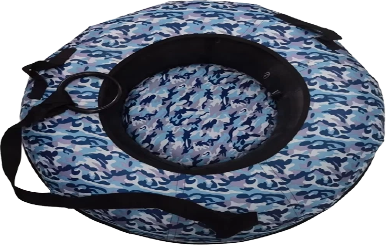
When selecting a swim tube for adults, several important factors should be considered to ensure both comfort and safety. The right size will vary depending on the person’s weight, body type, and the type of water activity they plan to engage in.
Weight: Adults should choose swim tubes with a weight capacity that accommodates their body weight. Most swim tubes for adults can support between 150 to 300 pounds, depending on the design. Selecting a tube that can handle your weight ensures the proper buoyancy and reduces the risk of deflation or instability in the water.
Body Type: Body type plays a role in how comfortable a swim tube will be. If you have a larger body frame, opt for a wider and more robust tube that offers enough space for comfortable seating and floating. Conversely, if you have a smaller frame, a slightly smaller tube may be more suitable to ensure that you remain securely seated and balanced.
Type of Activity: The type of water activity will also influence the size and design of the tube. For relaxing and lounging in a pool or on calm water, choose a tube that is larger and has additional features like a backrest or armrests for extra comfort. For more active activities like tubing behind a boat, a smaller, more durable tube with reinforced handles and a higher weight capacity is recommended to withstand the forces involved.
Choosing a swim tube that fits comfortably is key to ensuring a safe and enjoyable experience. If the tube is too small, it may not provide enough buoyancy, leading to discomfort or difficulty staying afloat. On the other hand, a tube that is too large can be difficult to control, causing instability and increasing the risk of tipping over.
A well-fitted swim tube should allow for easy movement while providing enough support to keep you floating comfortably. It should also be firm but not overinflated, as over-inflation can cause the tube to burst under pressure. Ensure that the swim tube is comfortable enough for long periods of use, especially if you plan to relax in the water for extended periods.
The right-sized swim tube ensures stability and buoyancy, which are crucial for safety and comfort. A properly sized tube provides enough support to keep the user balanced, preventing tipping over in calm water. It also offers the necessary buoyancy to keep the user floating comfortably. This is especially important for children or beginners, as it helps them stay safe and relaxed in the water.
Too Small: A tube that is too small won’t provide adequate support, causing the user to tip over or struggle to stay afloat. It can also cause discomfort, leading to fatigue or panic.
Too Large: An oversized tube can make it harder to control and balance, increasing the risk of slipping out or losing stability, especially in moving water or during active water activities.
Choose a tube based on your child's age and weight. Ensure it has added safety features like leg holes or straps for better support.
No, kids' tubes are not designed to support the weight and size of adults. Always select a swim tube made for adults to ensure safety and comfort.
Yes, for active water sports like tubing behind a boat, select a tube with a higher weight capacity and more durable design. For relaxation, opt for larger, more comfortable tubes.
If the tube is too small, it may lack buoyancy and could lead to discomfort or tipping. If too large, it may be harder to control and less stable in the water.
Choosing the right size swim tube is essential for both safety and comfort. By considering factors like age, weight, body type, and the intended water activity, you can ensure that the tube offers proper stability and buoyancy. A well-fitted tube helps maintain balance, prevents tipping, and allows for a relaxed floating experience. On the other hand, an improperly sized tube can be dangerous, leading to instability, discomfort, or even accidents. Whether for children or adults, selecting the appropriate size ensures a safer, more enjoyable water experience. Always prioritize the right size to make your time in the water both fun and secure.


