


Have you ever felt the thrill of speeding down a snowy slope? Snow tubes offer an exhilarating ride that captures the essence of winter fun. These inflatable, ring-shaped devices have a fascinating history, evolving from simple rubber rings to modern, durable designs. In this post, you'll learn about snow tubes, their origins, and why snow tubing has become a beloved winter activity for all ages.
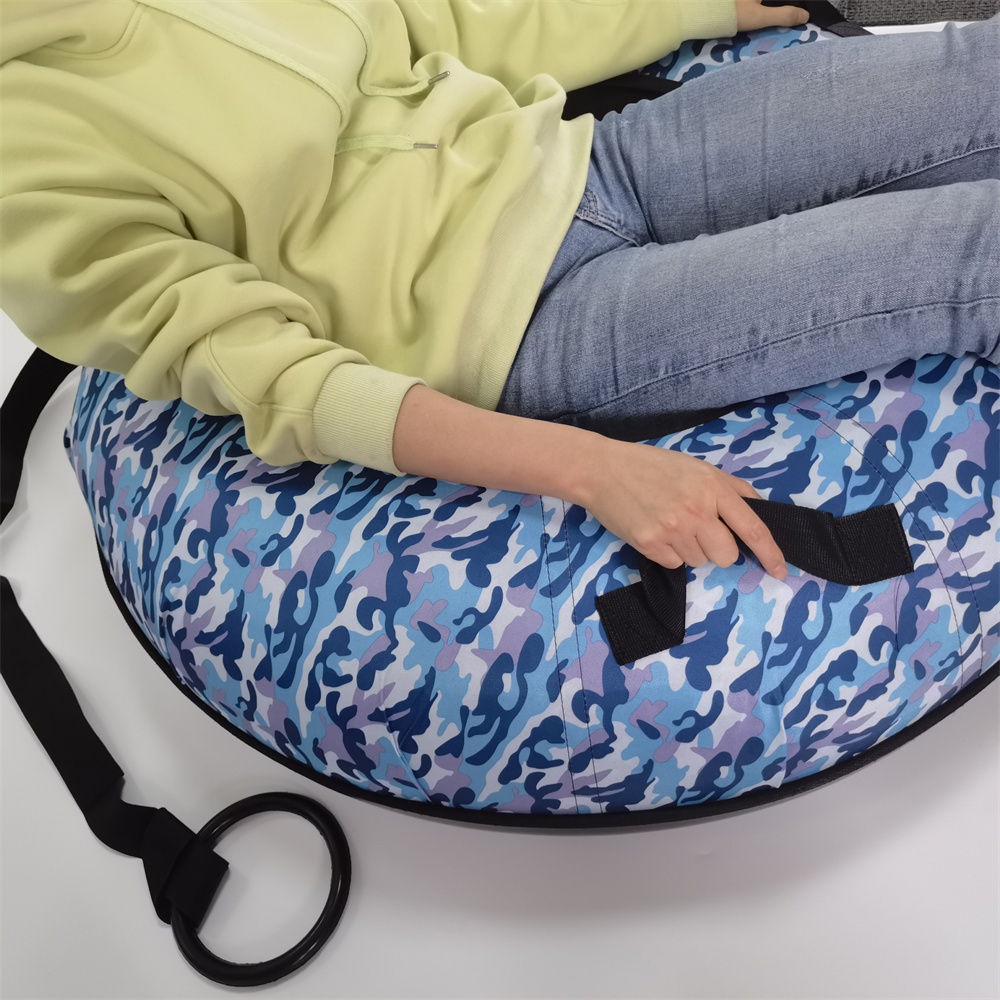
Snow tubes are large, inflatable, ring-shaped devices designed for sliding down snow-covered slopes. They function similarly to a giant rubber ring or donut that you sit in and let gravity do the work. When you ride a snow tube, you're essentially sitting on a cushioned, air-filled ring that glides over snow, providing a fun and exhilarating experience. The activity of riding these tubes is called snow tubing, and it’s a popular winter pastime for families, friends, and outdoor enthusiasts.
Snow tubes are built to withstand cold temperatures, rough terrain, and repeated use. Common materials include:
PVC or Urethane Bladders: These form the core of the tube, holding the air that provides cushioning and buoyancy.
Nylon or Vinyl Covers: Heavy-duty, reinforced covers protect the inner bladder from punctures, tears, and abrasions. These covers often feature double stitching for extra durability.
Bottom Surfaces: The underside of snow tubes is designed to reduce friction and increase speed. Materials like slick puncture-resistant tarpaulin or hard HDPE molded bottoms are used to optimize glide over snow.
These materials are chosen for their strength, flexibility, and resistance to cold and wear. Proper inflation is vital for performance; over- or under-inflation can affect speed and safety.
While snow tubes share similarities with other inflatable tubes, such as river tubes or water tubes, key differences exist:
Feature |
Snow Tubes |
River Tubes |
Water Tubes |
Bottom Material |
Slick vinyl or urethane |
Reinforced PVC mesh |
Usually smooth vinyl or rubber |
Designed For |
Cold, snowy environments |
Water surfaces, rivers, pools |
Water-based activities |
Durability |
Cold-resistant, impact-strength |
Puncture-resistant, buoyant |
Resistant to water, UV, chlorine |
Features |
Handles, reinforced covers |
Paddles, mesh floors |
Cup holders, towing points |
Snow tubes are specifically built for cold weather, with materials that resist cracking, tearing, and damage from ice or jagged snow. River or water tubes, on the other hand, are designed to handle moisture, water flow, and buoyancy, with bottoms that allow drainage or water passage. Using a river tube on snow or vice versa isn’t recommended because of these material differences and environmental adaptations.
In summary, snow tubes are specialized inflatable devices crafted for snowy terrains, offering a safe, fun way to enjoy winter landscapes. Their durable construction and design features make them ideal for sliding down snow-covered slopes, providing a smooth, controlled ride.
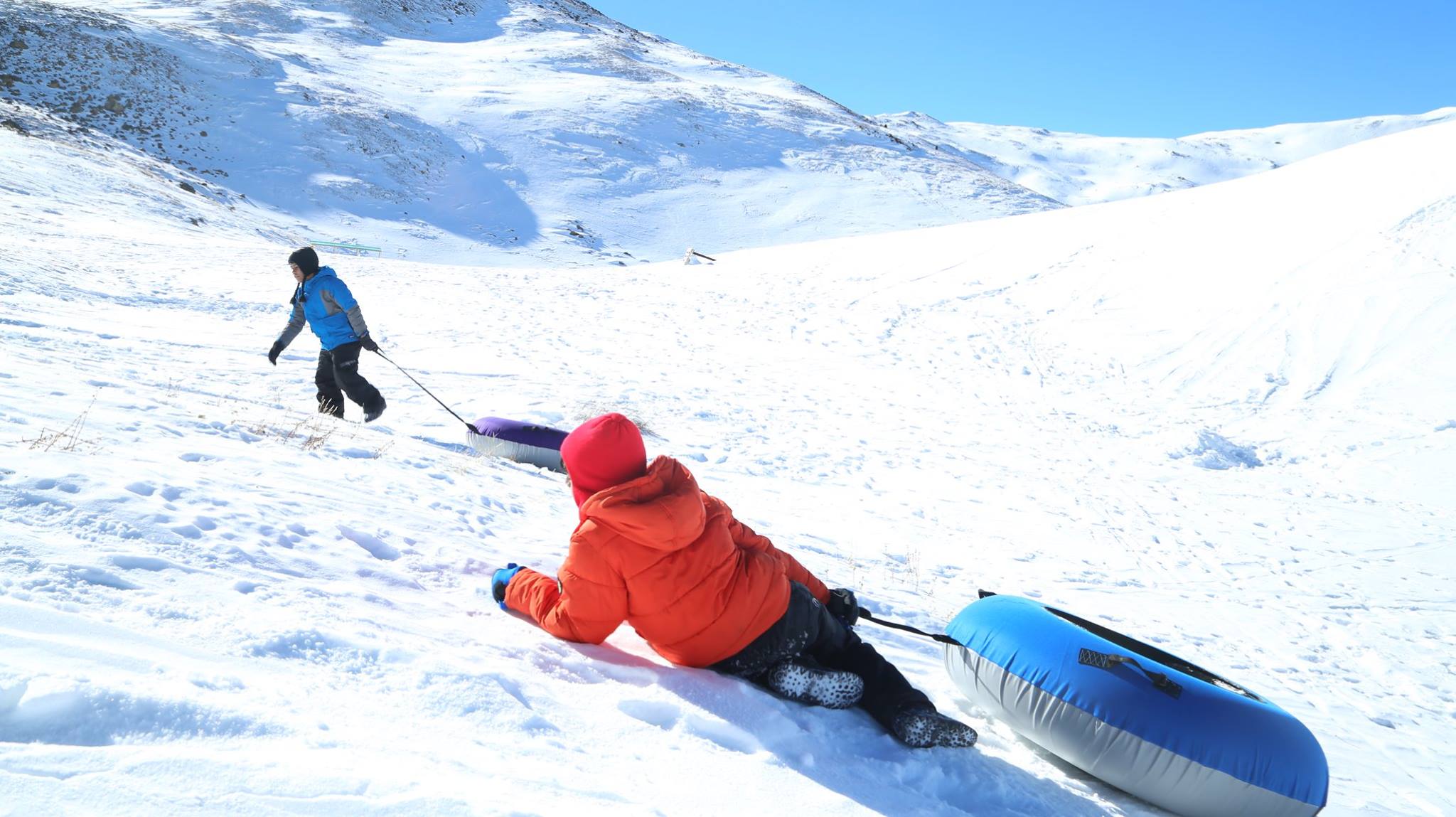
Single-rider snow tubes are designed for one person to enjoy alone. These tubes are typically smaller and more compact, making them easy to carry and maneuver. They often feature a streamlined shape that reduces drag, allowing for faster rides on well-packed snow. Many single-rider tubes come with sturdy handles on each side, giving riders a secure grip during their descent. The materials used in these tubes include heavy-duty PVC or urethane bladders covered with reinforced nylon or vinyl, ensuring durability and resistance to cold temperatures. They are ideal for those seeking a quick, exhilarating ride down the slope without the need to coordinate with others.
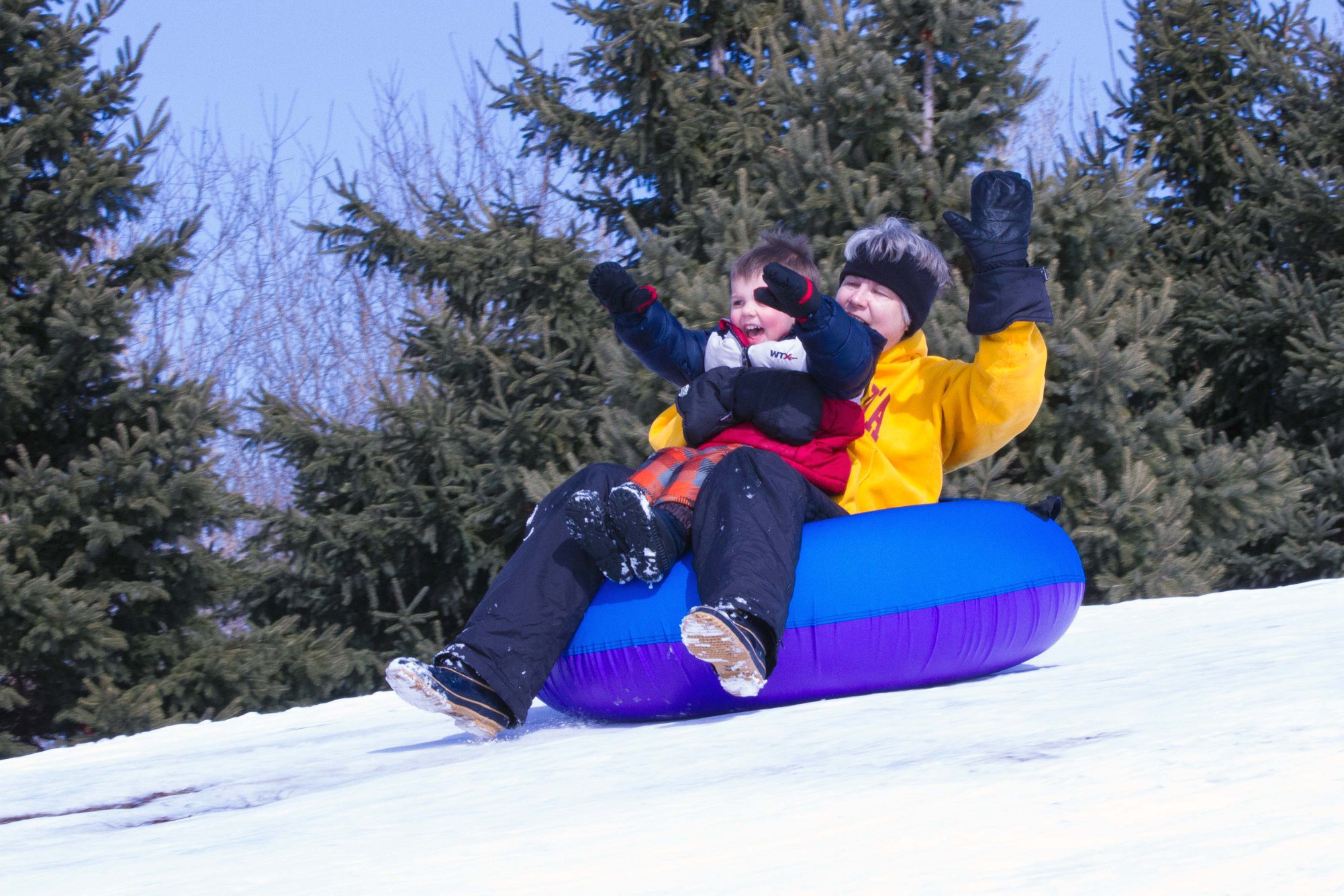
Multi-rider snow tubes are larger and designed to accommodate two or more people at once. These tubes usually have a wider diameter and a more robust structure to support multiple riders comfortably. Some multi-rider tubes feature a flat or slightly concave bottom to enhance stability during the ride. They often include multiple handles for each rider, allowing everyone to hold on securely. Because of their size and weight, multi-rider tubes are generally made from thicker materials, such as reinforced vinyl with multiple air chambers, to withstand the added stress. These tubes are perfect for families or friends who want to share the fun together, encouraging social interaction and teamwork.
Snow tubes come in various designs to suit different preferences and terrains. Some feature unique shapes like heptagons or lounge-style designs, adding extra fun and style. The bottom surface of snow tubes varies depending on their intended use:
Slick vinyl or urethane bottoms are common in high-speed tubes designed for steep slopes. These reduce friction and increase glide, providing faster rides.
Reinforced PVC mesh or hard HDPE bottoms are used in tubes meant for more rugged terrains, offering durability and protection against punctures and tears.
Manufacturers also incorporate additional features such as armrests, backrests, and foot holes, especially in multi-rider models. Handles are usually reinforced and strategically placed for safety and control, while some designs include inflation valves that allow quick and easy inflation or deflation.
In essence, the variety in design and materials ensures that there’s a snow tube suitable for every rider’s skill level, age, and preferred riding style. Whether you’re seeking a solo thrill or a shared adventure, the right snow tube can make your winter experience unforgettable.
Using a snow tube is simple and fun. First, find a designated snow tubing lane or slope. Make sure the area is clear of obstacles like rocks or trees. Wear your safety gear, especially a helmet. Sit on the tube with your feet pointing downhill. Hold onto the handles firmly with both hands. When you're ready, push off gently with your hands or feet to start sliding. Keep your body centered on the tube to maintain balance. As you descend, lean back slightly to control your speed and direction. To steer, shift your weight slightly to one side. When you reach the bottom, gently stop by leaning back or using your hands to slow down if needed. Always follow the instructions of the park or resort staff for a safe experience.
Safety comes first. Always wear a helmet, regardless of your age or experience level. Check your snow tube for any damage before use. Ensure it is properly inflated—over- or under-inflation can affect safety and performance. Use the handles to keep a secure grip during the ride. Stay within designated lanes or areas to avoid collisions. Keep a safe distance from other tubers. Avoid twisting or spinning excessively, which can cause loss of control. Be cautious on steep or icy slopes, which can increase speed and risk of injury. If you feel uncomfortable or see someone in trouble, stop and help or alert staff. Never attempt to ride alone in unsafe areas or without supervision.
Dress appropriately for snow tubing. Wear waterproof and insulated clothing to stay warm and dry. Layer your clothes—start with thermal underwear, add a fleece or sweater, and top with a waterproof jacket. Wear waterproof gloves and warm socks. Use sturdy, waterproof boots with good traction. A neck gaiter or balaclava helps protect your face from cold wind. Sunglasses or goggles shield your eyes from glare and snow. Avoid loose clothing that can get caught or cause you to lose balance. Carry a small backpack with essentials like a water bottle, hand warmers, and a first aid kit. Proper gear ensures comfort, safety, and maximum fun during your snow tubing adventure.
Snow tubing offers more than just fun; it provides several health advantages. Physically, it encourages movement, which helps strengthen muscles, improve balance, and boost cardiovascular health. Sliding down slopes engages core muscles and promotes coordination. Even the simple act of walking uphill to the starting point adds moderate exercise to your routine.
Mentally, snow tubing reduces stress. Being outdoors in fresh mountain air and surrounded by snowy landscapes lifts mood and enhances mental clarity. The thrill of speeding downhill triggers the release of endorphins, the body's natural mood lifters. This activity can also help combat feelings of anxiety or depression, promoting overall emotional well-being.
Snow tubing is inherently social. Sharing the experience with friends or family fosters bonding and creates lasting memories. Cheering each other on, racing, or taking turns adds a layer of camaraderie. It’s an activity that encourages teamwork, especially when riding multi-rider tubes or competing in friendly races.
Moreover, participating in snow tubing at parks or resorts often involves meeting new people who share similar interests. Engaging with fellow tubers can lead to new friendships, especially in community or group settings. The shared excitement of sliding down snowy slopes builds a sense of community and belonging.
One of snow tubing’s biggest draws is its accessibility for all ages. Kids, teenagers, and adults can enjoy it equally, making it an ideal family activity. Unlike skiing or snowboarding, it requires less skill, so even beginners can join in without extensive training.
Families can spend quality time together outdoors, away from screens and devices. It’s an excellent way to promote outdoor activity, physical health, and teamwork among family members. Many resorts and parks design dedicated lanes and safety features that make snow tubing safe and enjoyable for children and seniors alike.
In addition, snow tubing is budget-friendly. It offers a fun, engaging experience without the high costs associated with other winter sports. This affordability makes it accessible for families seeking a memorable winter adventure without breaking the bank.
Overall, snow tubing combines health benefits, social interaction, and family fun into one exciting outdoor activity. It encourages physical movement, fosters relationships, and provides a joyful way to enjoy winter’s beauty.
When it comes to snow tubing, choosing the right location can make all the difference in your experience. Several popular destinations worldwide are renowned for their excellent snow tubing slopes, offering fun for all ages and skill levels. For example, Colorado Adventure Park in the United States features dedicated lanes, multiple runs, and safety barriers, making it a favorite among families and thrill-seekers alike. Similarly, Mohawk Mountain in Connecticut offers snow tubing alongside skiing and snowboarding, providing a versatile winter sports experience.
In Europe, Grandvalira in Andorra boasts one of the longest snow tubing tracks in the world, stretching over 350 meters. This track includes twists, turns, and tunnels, offering an exhilarating ride through beautiful mountain scenery. Other notable destinations include Snow King Mountain in Wyoming, which features a dedicated snow tubing hill with night sliding options, and SkyPark Snow Resort in South Korea, famous for its well-maintained slopes and modern facilities.
Many ski resorts and dedicated snow parks now include snow tubing as a core activity. These parks often feature multiple lanes, varying in difficulty and speed, designed to cater to different age groups and experience levels. They also incorporate safety features such as barriers, padded lanes, and staff supervision to ensure a secure environment.
Some resorts offer special packages that combine snow tubing with other winter activities like snowshoeing, ice skating, or zip-lining. For example, the Winter Park Resort in Colorado provides a dedicated snow tubing zone with a magic carpet lift, making it easy for beginners to access the top of the hill. Resorts like Snowmass in Colorado or Les 3 Vallées in France also provide extensive snow tubing areas, with night tubing sessions that add a magical glow to the experience.
Selecting the right snow tubing spot depends on several factors. First, consider safety features—look for parks with clear signage, barriers, and staff presence. Second, check the slope length and design; longer, steeper tracks tend to offer more excitement, but beginners may prefer gentler slopes.
Accessibility is important too. Choose locations close to your accommodation or easy to reach via public transportation. Additionally, verify the availability of amenities such as rental gear, heated rest areas, and food services. If you’re traveling with children, ensure the park has designated kiddie lanes or beginner zones.
Finally, research reviews or ask locals for recommendations. Popular destinations often have a good reputation for safety, cleanliness, and fun. Booking tickets in advance can also help avoid long lines, especially during peak winter seasons.
By carefully selecting your snow tubing destination, you set the stage for an unforgettable winter adventure filled with fun, safety, and memorable moments.
Snow tubes and river tubes may look similar—they are both inflatable, ring-shaped devices with handles, designed for fun. But their construction, materials, and intended environments differ significantly. Snow tubes are built to withstand cold temperatures, ice, and rough snow surfaces. They feature a slick, heavy-duty vinyl or urethane bottom that reduces friction, allowing for faster sliding on snow. Their covers are often reinforced with durable nylon or vinyl to resist tearing from cold, jagged edges or ice buildup.
River tubes, on the other hand, are designed for water environments. They typically have a reinforced PVC mesh or heavy-duty vinyl bottom that allows water to pass through, preventing water from pooling inside. Their construction emphasizes buoyancy and durability against punctures, tears, and UV exposure from sunlight. They often include features like paddles, cup holders, and multiple tow points for water-based activities.
Using snow tubes for river tubing is generally not recommended. They are made of materials optimized for cold, snowy environments, which can become less flexible and more prone to damage in warm or wet conditions. The slick vinyl bottoms of snow tubes are designed to glide over snow, not water. If used in water, they might not provide enough grip or stability, risking spinning or flipping.
Conversely, river tubes with mesh bottoms are unsuitable for snow because they allow water drainage, which could cause the tube to sink or become unstable in snow or ice. Their materials are not designed to endure freezing temperatures, which could lead to cracking or damage.
Select your tube based on the environment. For snow sliding, choose a snow tube with a slick, impact-resistant bottom, reinforced cover, and handles for safety. These tubes are built for cold, snowy slopes, offering speed and durability.
For water adventures, opt for a river tube with a mesh or reinforced bottom, buoyant materials, and features like paddles or cup holders. They’re designed to handle water flow, buoyancy, and UV exposure.
Summary:
Snow tubes: Best for snow slopes, cold weather, impact resistance.
River tubes: Ideal for rivers, lakes, pools, water activities, buoyancy.
Using the correct type ensures safety, longevity, and maximum fun. Misusing one for the other can lead to damage, safety risks, and less enjoyment. Always check the manufacturer’s recommendations before use, and carry repair kits and pumps for emergencies.
Tip: Always inspect your inflatable before use—look for tears, punctures, or weak seams, especially if switching between environments. Proper maintenance extends your tube’s lifespan and safety.
Note: Properly matching your inflatable to the environment enhances safety and performance, preventing accidents and prolonging equipment life.
Snow tubes are inflatable devices designed for sliding down snowy slopes, offering fun and excitement. They are made from durable materials to withstand cold temperatures and rough terrain. Snow tubing is a popular winter activity for families and friends, providing physical and mental health benefits. As snow tubing continues to grow in popularity, more parks and resorts are offering dedicated lanes and facilities. Experience the thrill of snow tubing with Nantong BinRui Industry and Trade Co., Ltd., where quality and enjoyment meet.
A: Snow tubes are large, inflatable devices designed for sliding down snowy slopes, providing a fun and exhilarating winter experience.
A: Snow tubes are built for cold, snowy environments with slick bottoms for speed, while river tubes are designed for water with features like mesh bottoms for buoyancy.
A: Snow tubing is accessible for all ages, requires less skill than skiing, and offers physical and mental health benefits.
A: Snow tubes vary in price, generally ranging from $20 to $100, depending on size, materials, and features.
A: Snow tubes are made from durable materials like PVC or urethane bladders and reinforced nylon or vinyl covers to withstand cold and rough terrain.


