
Views: 0 Author: Site Editor Publish Time: 2026-02-09 Origin: Site


Swim tubes and life jackets are both flotation devices designed to help people stay afloat in water, but they serve different purposes. Swim tubes, also known as inflatable tubes or swim rings, are primarily used for relaxation and fun. They provide buoyancy and stability, making them perfect for floating in calm waters such as pools or shallow lakes. On the other hand, life jackets are essential safety devices designed to keep individuals afloat in emergency situations, especially in deeper water or open bodies of water like oceans or lakes. Life jackets offer more reliable flotation, especially in turbulent conditions, and are designed to keep a person’s head above water. While swim tubes may be enjoyable for casual water activities, they should never be used as a replacement for life jackets in high-risk or open water environments. Life jackets are critical for ensuring safety, and swim tubes should only be used in designated, controlled environments where the water conditions are calm and the risk is minimal.
Swim tubes, also known as inflatable tubes or swim rings, are flotation devices designed primarily for recreational use in water. They are circular in shape with a central hole, allowing the user to sit, float, or relax in calm water environments like pools, lakes, or slow-moving rivers. Swim tubes are made from durable materials like PVC or rubber and are inflatable, making them easy to carry and store. They provide buoyancy to help the user stay afloat but are not designed for life-saving purposes. Their main function is to offer comfort and fun in shallow, controlled water areas.
Life jackets, or personal flotation devices (PFDs), are safety devices designed to keep a person afloat in the water, even in rough conditions or when they are unconscious. They are typically worn around the chest, secured with straps or buckles, and are made of buoyant materials like foam or inflatable chambers. Life jackets are specifically designed to keep the wearer’s head above water and to provide flotation in deep or turbulent water. They are used as a critical safety measure for people who are swimming in open water, boating, or participating in water sports. Unlike swim tubes, life jackets are not just for comfort—they are designed for life-saving purposes and to prevent drowning in more hazardous conditions.
Function: Swim tubes are intended for relaxation, floating, and fun in controlled, calm water environments. Life jackets are meant for safety, providing the necessary buoyancy to keep someone afloat in deep, turbulent, or emergency situations.
Buoyancy: Swim tubes offer buoyancy to help the user stay afloat but may not be effective in more challenging conditions. Life jackets, on the other hand, provide much more buoyancy, ensuring that the wearer stays afloat, even if they are unconscious or unable to swim.
Safety Features: Swim tubes generally do not offer comprehensive safety features, as they are designed for recreational use. They provide limited support and do not keep the wearer’s head above water if they fall out or flip over. Life jackets are specifically engineered with safety in mind, featuring features such as high visibility, head support, and secure straps to keep the person afloat and safe, even in distress. They are tested to meet safety standards and are a legal requirement in many water-based activities, especially in open water or boating.
Swim tubes are primarily recreational flotation devices, not safety equipment. They are designed for lounging and relaxing in calm, controlled environments like pools or shallow lakes. In contrast, life jackets are specifically designed to provide reliable buoyancy and keep a person afloat in emergency situations, particularly in deep, open, or turbulent water. Swim tubes lack the necessary features to ensure safety in high-risk water environments and should never be used as a substitute for a life jacket when swimming in deeper water, participating in water sports, or when there is a risk of falling into deep or moving water.
Swim tubes do not offer the same level of security as life jackets. While they provide buoyancy, they are not designed to keep the user's head above water, especially if the person falls out of the tube or becomes unconscious. Swim tubes also lack essential safety features such as head support or secure straps, which are critical in emergency situations. In turbulent conditions or when caught in strong currents, swim tubes may not provide enough stability, and a person could quickly become separated from the tube, increasing the risk of drowning. Life jackets, however, are designed to ensure constant flotation, keep the wearer’s head above water, and are tested for performance in challenging conditions. Thus, swim tubes should only be used in calm, controlled environments, and a proper life jacket should always be worn in high-risk situations.
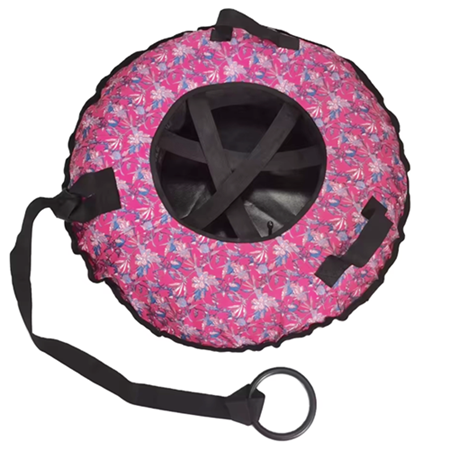
Swim tubes are ideal for recreational activities in calm, controlled environments such as pools, shallow lakes, or lazy rivers. These environments are stable and do not pose significant risks like strong currents, deep water, or waves, making swim tubes a fun and comfortable way to relax or float. In these safe, supervised areas, swim tubes provide buoyancy and allow users to enjoy leisurely water activities without the pressure of staying afloat on their own. They are particularly suited for pool lounging, gentle floating, or simply enjoying the water in a relaxed manner.
Swim tubes can also be helpful for beginners or those who may feel uneasy in the water. They offer a safe and supportive platform that allows individuals to become familiar with the water environment. By providing the necessary buoyancy, swim tubes help build confidence, allowing beginners to relax and get comfortable with floating on the water. However, it’s important to note that swim tubes are not designed for life-saving purposes. They should not be relied upon in situations where safety is a concern, such as open water, deep pools, or when the person is at risk of falling or becoming unconscious. Instead, swim tubes should be used as a tool for comfort and confidence-building in controlled settings, where the risk is minimal.
Life jackets are essential in high-risk or open water environments, such as oceans, rivers, lakes, and boating activities. These areas often have unpredictable conditions, including strong currents, deep water, and waves, where relying on swim tubes is unsafe. Life jackets are designed to ensure consistent buoyancy, keep the wearer’s head above water, and provide support in emergencies. Whether you're boating, water skiing, or swimming in deep or moving water, wearing a properly fitted life jacket is crucial for preventing drowning. Lifeguards often require life jackets in certain water activities and are legally mandated in many countries for water sports and boating to ensure the safety of individuals in open or deep water.
Swim tubes are best suited for recreational use in controlled, calm environments, such as pools, shallow lakes, or water parks with designated swimming areas. To ensure safe use, follow these guidelines:
Always supervise children: Even in shallow water, swim tubes should not replace adult supervision. Always stay within arm’s reach of young children.
Check for damage before use: Inspect the swim tube for any signs of leaks, punctures, or damage. Ensure the tube is properly inflated to avoid accidents.
Use only in calm, controlled areas: Swim tubes are meant for relaxing and floating in shallow, calm water. Avoid using them in areas with strong currents, waves, or deep water.
Avoid excessive speed or risky activities: Swim tubes are not designed for high-speed activities or rough play. Stick to leisurely floating and relaxation to minimize risk.
Follow manufacturer guidelines: Always adhere to the recommended weight limits and instructions provided by the manufacturer to ensure safe use.
No, swim tubes are not designed for safety. They are for relaxation and recreation, while life jackets are necessary for safety in deep or open water.
Wear a life jacket in deep, open water, or if you are unsure of your swimming abilities. Swim tubes are not suitable for high-risk water environments.
Yes, swim tubes are safe for children in shallow water when supervised. However, they should not be used as a substitute for a life jacket in deeper water.
Swim tubes provide buoyancy for relaxation and fun, while life jackets are designed to provide constant flotation and safety in emergencies, especially in deep water.
In summary, life jackets should always be prioritized over swim tubes in high-risk or open water environments. Life jackets are specifically designed for safety, offering reliable buoyancy and ensuring that the wearer’s head stays above water, even in deep, turbulent, or emergency situations. Swim tubes, while great for relaxation in calm, controlled environments, do not provide the same level of security and should never be relied upon in conditions where safety is a concern. It’s essential to use each device in its appropriate context: life jackets for safety in open or deep water, and swim tubes for leisurely floating in controlled settings like pools or shallow lakes. By understanding the proper use of both, you can ensure a safe and enjoyable experience in the water.


