
Views: 0 Author: Site Editor Publish Time: 2026-03-17 Origin: Site


Bicycle tires are one of those components riders rely on every day, yet many only think about them when something goes wrong—like a sudden flat, a slippery corner, or a tire that starts cracking earlier than expected. In reality, Bicycle Tires are not a “set it and forget it” part. They respond directly to pressure, road conditions, storage environment, riding style, and simple routine care. The good news is that maintaining bicycle tires doesn’t require complicated tools or advanced mechanical skills. A few consistent habits can help you extend tire lifespan, reduce unexpected punctures, and keep handling more predictable—whether you ride for commuting, fitness, or long-distance cycling.
From our perspective as a bicycle tire supplier, tire maintenance is not only about saving money. It’s also about improving ride quality and protecting other components. Underinflated tires increase rolling resistance and can damage rims. Overinflated tires can reduce comfort and traction. Worn tread can compromise grip. Sidewall damage can lead to sudden failure. That’s why we encourage riders to treat tire care as part of basic bike safety. In this guide, we’ll share practical steps to maintain bicycle tires for longer lifespan and better performance, including pressure routines, inspection habits, cleaning, storage, and when to replace.
If there is one maintenance habit that delivers the most immediate improvement in how your bike feels, it’s keeping the correct tire pressure. Pressure directly changes the shape of the contact patch—the only area of rubber touching the road—so it influences multiple performance factors at the same time, including rolling resistance, comfort and vibration, cornering grip, puncture resistance, and rim protection. When pressure is too low, the tire flexes more, heats up faster, feels sluggish, and becomes more vulnerable to pinch damage or sidewall stress. When pressure is too high, the tire can feel harsh, lose traction on rough surfaces, and become less forgiving in corners.
Why pressure changes so often
Tires naturally lose small amounts of air over time. Temperature swings also matter: pressure drops in cold weather and rises after riding. That’s why a tire can feel slightly soft after sitting overnight, especially in winter or early mornings.
A practical pressure routine
Check pressure before longer rides
For daily commuting, check at least once per week
Use a gauge rather than squeezing the tire by hand
Pressure guidance table (general reference)
Riding Style | Common Priority | Pressure Approach |
Commuting | durability and puncture control | moderate, stable pressure |
Road riding | speed and responsiveness | higher but within safe range |
Gravel | comfort + mixed traction | moderate with some flexibility |
MTB | grip and shock absorption | lower (avoid rim impacts) |
Always treat the sidewall pressure range as your safe operating window, then fine-tune within that range based on load, road conditions, and riding feel.
Many riders replace tires only after a major issue. A better approach is to catch wear early.
flattened center tread (common on rear tires)
embedded glass, sharp stones, or metal fragments
cuts that are widening over time
uneven wear patterns
cracking (often from age or UV exposure)
bulges (can indicate casing damage)
deep scuffs or tears
fabric showing through
Area | What to Check | Why It Matters |
Tread | cuts, embedded debris, flat spots | affects grip and puncture risk |
Sidewall | cracks, bulges, abrasions | affects safety and casing integrity |
Bead zone | damage near rim interface | affects seating and stability |
A 30-second visual inspection can prevent many unexpected failures.
Small debris is a common cause of punctures. Glass and sharp stones may sit in the tread for days before they push through.
After a ride, especially on city roads or rough surfaces:
rotate the wheel slowly
look for shiny fragments
gently remove embedded debris with a small tool
avoid digging too aggressively into the rubber
This small step reduces the chance that debris works deeper into the casing over time.
Even if the tread looks acceptable, tires can still lose performance as the rubber ages. Over time, rubber may harden or develop small cracks, especially if exposed to:
sunlight
high heat
ozone sources (motors, generators)
long periods of non-use
small surface cracks on sidewalls
stiff rubber feel
reduced grip on wet surfaces
frequent small leaks (for tubes)
If a tire is old and showing visible aging signs, replacing it often improves both safety and ride feel.
On most bikes, the rear tire wears faster because it carries more load and drives power to the road. If your front and rear tires are the same type and size, rotating can help balance wear.
Rotate only if tread direction allows it
Check manufacturer direction markings
Do not rotate if front and rear tires are different designs
Do not rotate if one tire is already significantly damaged
Rotation is not mandatory, but it can be helpful for riders who want to get more balanced service life from a matching tire set.
A tire’s stability depends on how well it seats on the rim. Dirt, dried mud, and debris around the bead area can interfere with:
proper seating
consistent pressure holding
smooth rotation
When changing tires or tubes:
wipe the rim bed clean
check rim tape condition
inspect the tire bead for damage
ensure the tire seats evenly all around
A clean interface helps prevent irregular wobbling and reduces stress on the tire bead.
Tires are only one part of the system. Tubes (or tubeless setups) play a major role in performance.
check valve tightness
ensure the tube is not pinched during installation
replace tubes that show repeated patching or valve issues
monitor sealant freshness
check for slow leaks and sidewall seepage
keep valve cores clean
Good tube or sealant condition improves pressure stability and reduces the chance of unexpected flats.
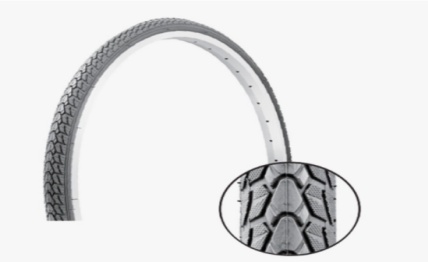
Underinflation increases:
rolling resistance
pinch flat risk
casing stress
rim damage risk
Bad storage can shorten lifespan even if the tire isn’t used much.
Avoid storing bikes:
in direct sunlight
near high heat sources
in areas with strong chemical exposure
outdoors without protection
Storage matters for both spare tires and bikes in seasonal use.
keep tires in a cool, dry place
avoid direct sunlight
store away from chemicals and ozone sources
for long storage, slightly reduce pressure but don’t fully deflate
avoid heavy loads sitting on one spot for months
A few storage improvements often reduce cracking and early aging.
Maintenance helps, but tires are still wear parts. Replace when you see:
tread worn smooth (especially on road tires)
repeated punctures in the same zone
casing threads showing
sidewall cracks or bulges
unstable handling, especially in wet conditions
Replacing at the right time protects safety and improves performance more than trying to “stretch” a tire past its realistic service condition.
Maintaining Bicycle Tires for longer lifespan and better performance is mostly about consistency. Regular pressure checks, quick tread and sidewall inspections, removing embedded debris, keeping the rim interface clean, and storing tires properly can significantly reduce flats and extend usable life. Tire care also improves how the bike feels—more predictable grip, smoother rolling, and fewer surprises on the road. Whether you ride daily or seasonally, these simple habits help your tires stay reliable and your rides feel better.
At Nantong BinRui Industry and Trade Co., Ltd., we work with customers who want bicycle tires that perform reliably in real riding conditions. If you are sourcing bicycle tires for retail, distribution, or product development and want to learn more about suitable tire options and practical selection guidance, you are welcome to contact Nantong BinRui Industry and Trade Co., Ltd. for more information.
For regular riders, checking once per week is a good baseline, and checking before longer rides helps maintain stable performance and reduce flats.
Consistent underinflation, rough road debris, and high load conditions often accelerate wear, especially on the rear tire.
If your front and rear tires are the same type and size, rotating can help balance wear, but only if the tread direction and tire condition allow it.
Replace if you see sidewall cracking, bulges, casing exposure, or worn tread that reduces grip—especially if handling feels less stable.


