
Views: 0 Author: Site Editor Publish Time: 2026-01-06 Origin: Site


Snow tubing is an exciting winter activity, especially for kids. But before you can enjoy the thrill, you need to ensure your snow tube is properly inflated. Improper inflation can lead to an uncomfortable ride or even damage to the tube.
In this article, we will guide you through the steps of inflating your snow tube. You’ll learn about different types of valves, the best inflation tools, and tips for perfect inflation.
When it comes to inflating snow tubes, selecting the right tool is the first step. You can either use an electric pump or a manual pump, depending on the type of snow tube you have.
Tool Type | Pros | Cons | Best For |
Electric Pump | Fast and efficient | Requires power source | Large tubes, multiple tubes |
Manual Pump | Portable and does not require power | Takes longer to inflate, harder to control | Smaller tubes, outdoor use |
Tip: If you have a snow tube for kids, consider using a manual pump for better control over the inflation process. It’s easier to manage the air pressure and avoid overinflation.
Before you begin inflating your snow tube, it’s essential to ensure it's fully unfolded. This allows for even inflation and prevents creases or bulges in the outer fabric.
● Unfold the Snow Tube: Lay the snow tube flat on the ground and ensure it's free of any twists.
● Valve Placement: Position the inflation valve where it’s easily accessible. Make sure the valve is not blocked by any folds in the fabric.
Tip: If you have a snow tube for kids, ensure it is placed on a flat surface before inflating to avoid any mishaps with the valve.
Snow tubes come with various types of valves. Each valve type requires different attention during inflation, so it’s important to know what you’re working with.
Valve Type | Common Features | How to Inflate | Ideal For |
Stem Valve | Similar to tire valves, small opening | Insert the adapter deeply, then inflate | Standard snow tubes, kids' tubes |
Quick-Inflating Valve | Large opening for fast inflation, small one for topping off | Inflate large opening first, small opening second | Large snow tubes, emergency situations |
Uncommon Valves | Varies by tube, may require adapters or creative tools | Use adapters or makeshift tools like corks | Non-standard snow tubes |
Tip: Always check the valve before you start inflating. This prevents air from escaping during the process.
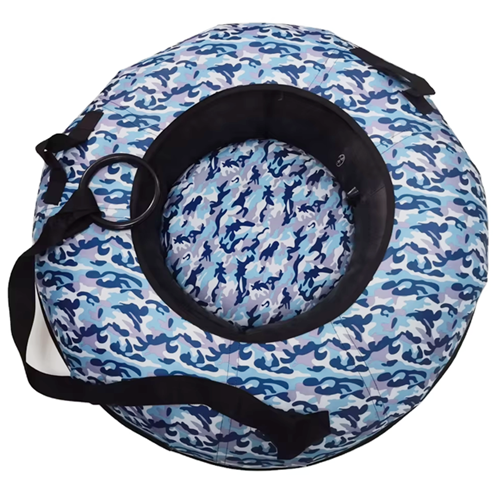
Inflating a snow tube properly is crucial for a safe and enjoyable experience. Whether you're using an electric pump or a manual pump, it's essential to follow the right steps to ensure the tube is inflated correctly. This section covers the most efficient ways to inflate a snow tube and provides additional tips to help you achieve the best results.
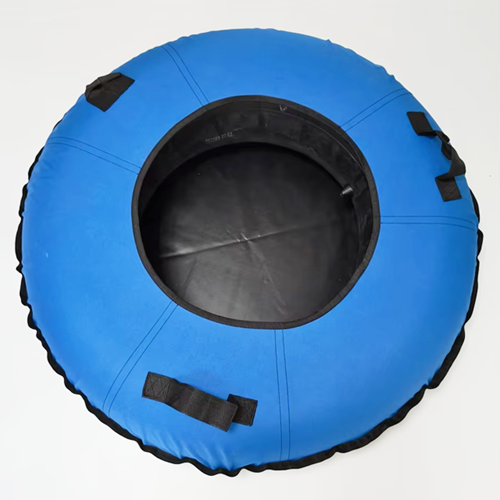
An electric pump is one of the fastest and most convenient ways to inflate your snow tube. It’s especially useful when you have a larger snow tube or if you need to inflate multiple tubes for a group.
1. Attach the Correct Adapter: Start by selecting the appropriate adapter for the valve of your snow tube. Snow tubes typically come with either a stem valve (like a tire valve) or a quick-inflating valve. Ensure that the adapter fits snugly into the valve to prevent air from leaking.
2. Ensure the Valve is Fully Open: Before turning on the electric pump, make sure the valve is fully open. Some valves have a small internal gate that must be pushed open before air can flow in. This is especially true for stem valves. Insert the adapter deep enough to break the valve's seal.
3. Start the Electric Pump: Power on the electric pump. Most electric pumps have settings to control the inflation speed. Start the pump and monitor the process closely. If the tube begins to fill too quickly, you can slow the speed by adjusting the pump settings. Allow the tube to inflate until the outer cover is taut and smooth, free of any wrinkles or bulges.
Tip: Use a pump with adjustable settings to control the inflation speed and avoid overinflating, which could damage your snow tube.
● Speed: Electric pumps inflate snow tubes much faster than manual pumps.
● Convenience: No need for constant manual effort, making it ideal for larger tubes or when you have several tubes to inflate at once.
Manual pumps are portable and ideal for use when there is no power source available. While it may take more time and effort compared to an electric pump, manual pumps give you greater control over the inflation process, which can be helpful for achieving the perfect firmness.
1. Attach the Pump to the Valve: Insert the manual pump nozzle securely into the snow tube’s valve. Make sure the nozzle fits tightly to avoid air leakage during inflation.
2. Start Pumping: Begin pumping slowly. As you pump, check the tube's firmness. Manual pumps often require more effort and time, so it’s important to inflate gradually to avoid overinflating.
3. Control the Pressure: After a few pumps, stop to check the pressure. The snow tube should feel firm, but not hard. Once you’ve achieved the desired firmness, stop pumping. Press on the tube with your hand to see if it compresses slightly.
Tip: If you're inflating a snow tube for kids, go slow. Kids’ snow tubes generally require less pressure to achieve optimal firmness. Overinflating them can lead to faster wear and tear.
● Portability: No power source is needed, making it perfect for outdoor activities or places without electricity.
● Control: Manual pumps allow you to control the amount of air going in, which helps prevent overinflation.
● Lightweight: Easier to carry around than an electric pump, especially if you’re on the move.
Overinflating a snow tube can lead to several issues, including damage to the tube and valve. It also increases the risk of air leakage and reduces the lifespan of the tube. Here's how to avoid overinflating:
● Watch for Creases: As the tube inflates, pay attention to the outer fabric. If the fabric begins to show wrinkles or bulges, stop inflating.
● Monitor the Pressure: A properly inflated snow tube should feel firm but not rigid. Press down on the tube lightly; if it feels too soft, continue inflating slowly. If it feels too hard, release some air to prevent stretching the fabric.
Tip: To check if the tube is not overinflated, stand on it. If the snow tube sinks by a couple of inches under your weight, it’s perfectly inflated.
Firmness is a key indicator of proper inflation. You want the snow tube to be firm enough to support weight without feeling like a rock. If the tube is too soft, it will drag and won't perform well on the snow. If it's too hard, it may burst under pressure.
● Press Test: Press your hand into the tube. It should compress slightly but still feel firm.
● Adult Test: If an adult stands on the snow tube, they should only sink a couple of inches into the tube. This indicates proper inflation.
While not always necessary, a pressure gauge can help you achieve the perfect inflation. Some electric pumps come with built-in gauges, or you can purchase one separately. A pressure gauge allows you to monitor the air pressure in the tube to ensure it is inflated just right.
If you hear any hissing or notice the tube is losing air after inflation, check for valve leaks. Sometimes, improper sealing of the valve or overinflation can cause air to escape. In such cases, deflate the tube slightly, reseal the valve, and re-inflate.
Stem valves are common on snow tubes and work similarly to tire valves. Here's how to inflate them properly:
1. Insert the Adapter: Insert the correct adapter deeply into the valve to break open the internal gate.
2. Begin Inflating: Start the pump and begin inflating the tube.
Tip: When inflating a snow tube for kids, avoid inflating too much at once. It’s better to inflate in small increments to prevent overinflation.
Quick-inflating valves allow for faster inflation. Here's how to use them effectively:
1. Inflate the Large Opening First: Start with the larger opening to allow quick air flow into the tube.
2. Top Off with the Smaller Opening: Once the tube is partially inflated, switch to the smaller opening to finish filling it up.
Tip: Quick-inflating valves are excellent for large snow tubes, especially when you're in a hurry.
Not all snow tubes use standard valves. For those with uncommon valves, you can use creative tools.
● Use a Cork: If you don’t have the right adapter, a cork can be used to seal larger valves temporarily. Drill a hole through it, then attach the adapter to inflate.
Once the snow tube is inflated, check its firmness by pressing down on it. A properly inflated tube will feel firm but still slightly compress when weight is applied.
● Test with Weight: When an adult stands on the tube, they should only sink in slightly—about an inch or two.
Tip: If the tube feels too soft, continue inflating in small increments. If it’s too hard, release a bit of air.
Check the outer fabric for any wrinkles or bulges. The cover should be smooth and tight, like a drum.
Tip: Visually inspect the tube after inflation to make sure there are no areas with too much pressure.
If you overinflate or underinflate the tube:
● Overinflation: Let some air out to remove any creases or bulges.
● Underinflation: Add air slowly until the tube feels firm and smooth.
Tip: When adjusting air pressure, always do it gradually. This helps maintain the shape and longevity of the snow tube.
Inflating a snow tube correctly ensures a safe and enjoyable ride. Choosing the right inflation tools and methods is crucial for prolonging the life of your tube. Proper inflation prevents damage and ensures a smooth experience. For the best performance, consider high-quality snow tubes and compatible inflation equipment. Products from Nantong BinRui Industry and Trade Co., Ltd. offer excellent durability and ease of use, making them a great choice for snow tubing enthusiasts.
A: To inflate a snow tube, use an electric or manual pump, ensuring the valve is fully open. For snow tubes for kids, go slow and check the firmness as you inflate.
A: Yes, a manual pump is perfect for snow tubes for kids. It provides more control over the inflation, preventing overinflation.
A: You’ll need either an electric or manual pump, along with the right adapter for the valve type on your snow tube.
A: Overinflating can cause the tube to burst or become uncomfortable. Ensure the tube is firm but not too hard for a smooth ride.
A: Press the tube to check its firmness. For snow tubes, ensure an adult sinks just a couple of inches when standing on it.


