


Have you ever wondered if snow tubing is as safe as it is thrilling? This exhilarating winter activity, where you glide down snowy slopes on inflatable Snow Tubes, is gaining popularity. However, safety remains a top concern. In this article, we'll explore the essentials of snow tubing safety. You'll learn about protective gear, designated tubing areas, and tips to ensure a fun, secure experience.
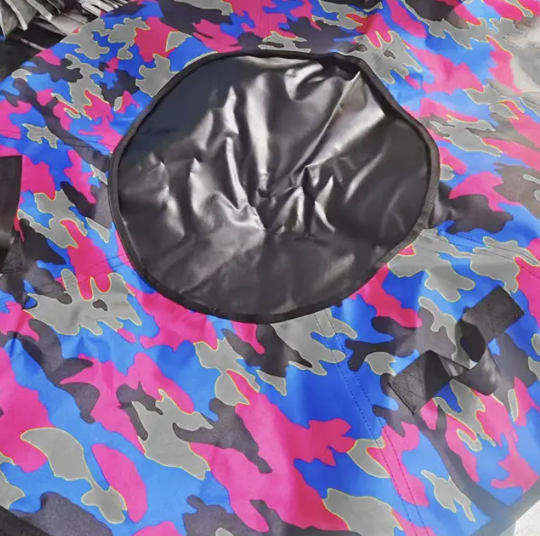
Snow tubing is a popular winter activity that involves sliding down a snow-covered hill on an inflatable tube. Think of it as the winter version of a water slide, but instead of water, you’re gliding over snow. The activity is straightforward: you sit in a large, ring-shaped inflatable tube, hold onto the handles, and let gravity do the work as you slide downhill. Snow tubing is enjoyed by people of all ages because it’s simple, safe, and requires minimal skill.
The inflatable tubes used in snow tubing are designed to be durable and provide a comfortable ride. They often feature reinforced materials such as heavy-duty PVC or nylon covers, with handles for safety and control. Some tubes have slick bottoms made of materials like tarpaulin or HDPE, which help reduce friction and increase speed on the snow. This design allows for smooth, fast rides, especially on well-packed snow slopes.
Compared to other winter activities, snow tubing is notably easier to learn. Unlike skiing or snowboarding, which demand balance, technique, and practice, snow tubing only requires you to sit and hold on. It’s often considered a family-friendly activity because kids and beginners can participate without a steep learning curve. Plus, it’s less physically demanding, making it accessible for most people.
In terms of safety, snow tubing parks and ski resorts usually implement measures such as designated lanes, barriers, and safety zones. Wearing helmets is strongly recommended to protect against bumps or falls. The activity is generally safe when proper safety precautions are followed, making it an enjoyable experience for everyone.
Tip:Ensure your snow tube has reinforced handles and a durable bottom to maximize safety and performance during your snow tubing adventures.
Snow tubing is a fun and exciting winter activity, but safety should always come first. To ensure everyone has a good time without risking injury, certain safety measures are essential. These precautions help prevent accidents and make snow tubing a safe experience for all ages.
Essential Safety GearWearing the right safety gear is crucial. The most important item is a helmet, which protects your head from bumps or falls. Additionally, wearing gloves, snow boots, and layered, waterproof clothing keeps you warm and dry. Some parks also recommend padding or knee and elbow pads, especially for children or beginners. Using goggles can help shield your eyes from snow, wind, and glare from the sun. Remember, safety gear doesn’t just protect you; it also boosts confidence, encouraging you to enjoy the activity responsibly.
Importance of HelmetsHelmets are perhaps the most vital safety equipment for snow tubing. They protect against head injuries caused by falls, collisions, or hitting obstacles on the slope. Many safety experts agree that wearing a helmet significantly reduces the risk of serious injury. Ski resorts and snow tubing parks typically enforce helmet policies, especially for children. When choosing a helmet, look for one that fits snugly, has proper ventilation, and meets safety standards such as ASTM or CE certification. Properly fitted helmets can prevent injuries even during minor tumbles or sudden stops.
Designated Tubing AreasAlways stick to designated tubing lanes and areas. These zones are specially designed with safety features like barriers, smooth runways, and clear signage. They help keep riders separated, reducing the chance of collisions. Never go outside these zones or attempt to slide on unapproved slopes. Parks often have staff monitoring the area to ensure safety rules are followed. For extra safety, some parks use lane dividers, soft barriers, or padding along the sides to cushion impacts. Always wait your turn and follow instructions from staff to prevent accidents.
By following these safety measures—wearing the right gear, always donning a helmet, and sticking to designated areas—you can enjoy snow tubing with peace of mind. Remember, a little caution goes a long way in making sure your winter adventure remains fun and injury-free.
Tip:Always check the safety rules at your snow tubing location before starting, and carry a small repair kit, including patches and an air pump, for emergencies.
When selecting a snow tube, understanding the different types, materials, and designs can help you find the best fit for your winter fun. Snow tubes come in various styles, each suited for specific uses, terrains, and rider preferences. Knowing these differences ensures safety, comfort, and maximum enjoyment during your snow adventures.
Most snow tubes are made from durable, inflatable materials designed to withstand cold temperatures, rough terrain, and repeated use. The most common materials include:
PVC (Polyvinyl Chloride):Heavy-duty, flexible, and resistant to cold cracking. Often used for the inner chambers.
Nylon Covers:Reinforced with double stitching, these covers protect the inflatable chamber from punctures and abrasions. They also add a layer of comfort and style.
Slick Bottom Surfaces:To reduce friction and increase speed, manufacturers often add bottoms made from materials like heavy-duty tarpaulin or HDPE (High-Density Polyethylene). These surfaces help the tube glide smoothly over snow.
Some snow tubes feature reinforced seams, which are welded or double-stitched to prevent blowouts. The choice of materials directly impacts the durability, safety, and performance of the tube.
Snow tubes come in various shapes and features, each tailored for specific experiences:
Round Tubes:Classic design, easy to use, suitable for beginners and family fun. Handles are usually positioned for easy grip.
Heptagonal or Multi-sided Tubes:Offer better steering and control, especially on winding slopes.
Rings or Donut Shapes:Provide a comfortable ride, often with backrests or armrests for added support.
Specialty Shapes:Some tubes are designed with extra features like foot wells, backrests, or built-in handles for enhanced safety and comfort.
Designs also vary based on the intended terrain. For instance, some tubes are optimized for steep slopes, while others excel on flatter hills.
Picking the perfect snow tube depends on several factors:
Age and Size:Smaller, lightweight tubes are ideal for kids, while larger, sturdier tubes support adults.
Intended Terrain:For steep, icy slopes, opt for tubes with reinforced bottoms and better steering capabilities.
Number of Riders:Single or multi-rider tubes vary in size and stability. Multi-rider tubes are larger but require more space and control.
Material Preferences:Prioritize tubes with heavy-duty PVC and reinforced covers for longevity and safety.
Additional Features:Look for features like handles, backrests, or foot wells to enhance comfort and control.
Always check the manufacturer's recommendations regarding weight limits and proper inflation to ensure safety. Properly choosing your snow tube can make all the difference in enjoying a safe, fun-filled day on the snow.
Tip:When selecting a snow tube for rental or purchase, consider the environment you'll be riding in—packed snow or powder—as this affects the tube's performance and safety.
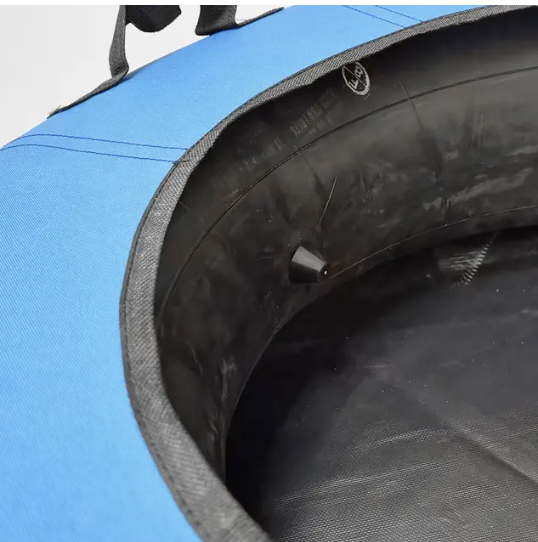
Although snow tubes and river tubes look similar and are both inflatable, their design and materials are tailored for different environments. These differences are crucial for safety, performance, and durability.
Materials Used:
Snow Tubes: Usually made with heavy-duty vinyl or urethane bottoms, designed to slide smoothly over snow. The top covers are reinforced with nylon or similar fabrics to withstand cold, rough terrain, and potential punctures. Some have slick bottoms to reduce friction, increasing speed downhill.
River Tubes: Typically constructed with reinforced PVC mesh or vinyl bottoms, designed to handle water, debris, and uneven surfaces. The bottoms often feature mesh or textured surfaces to grip water and prevent slipping, making them suitable for paddling or floating in rivers. The sides and tops are made from durable, UV-resistant materials to endure prolonged exposure to sunlight and water.
Design and Construction:
Snow Tubes: Feature a glossy, cold-resistant surface capable of handling icy and packed snow conditions. They often include handles, backrests, and sometimes foot wells for added comfort. Seams are welded or double-stitched to prevent leaks.
River Tubes: Focus on buoyancy and maneuverability in water. They may include multiple tow points, paddles, or handles suited for paddling or steering. The shape can vary from round to elongated, with features that facilitate paddling or steering in currents.
Bottom Shape:
Snow Tubes: Have slick, smooth bottoms to minimize friction, allowing them to glide fast over snow. The surfaces are designed to withstand cold temperatures and resist tearing.
River Tubes: Often have mesh or textured bottoms that allow water to pass through, reducing drag and preventing water from pooling inside. This design helps with maneuverability and comfort in aquatic environments.
Valves and Inflation:
Snow Tubes: Use specialized valves that can handle cold temperatures, ensuring they stay inflated during rides. Proper inflation is vital for safety and optimal performance.
River Tubes: Use valves suited for water environments, often with quick-release features for easy inflation and deflation. They need to be airtight to prevent leaks during floating or paddling.
Using a river tube on snow or a snow tube in water can lead to safety issues. For example, a river tube's mesh bottom would cause it to sink or get caught in snow, while a snow tube's slick bottom could make it uncontrollable on water, increasing the risk of accidents. Each type is designed with specific conditions in mind, ensuring safety and durability.
Choosing the right tube involves understanding the surface you'll be riding on:
Snow Tubes: Made to endure cold, icy, and snowy terrains. They are built with cold-resistant materials and slick bottoms for speed. Handles and safety features are standard.
River Tubes: Designed for water, with buoyant materials, mesh bottoms, and features that aid paddling and steering. They resist UV damage and are flexible for various aquatic activities.
Always select a tube suitable for the environment. Proper inflation, regular checks for leaks, and following safety guidelines ensure a fun and injury-free experience. Carrying repair kits, extra valves, and pumps is wise, especially for longer trips or remote locations.
Always match your inflatable tube to the specific surface—snow or water—to maximize safety, performance, and enjoyment during your adventure.
Snow tubing offers numerous advantages, making it a popular choice for winter recreation. Its simplicity, safety, and affordability contribute to its appeal for families, individuals, and groups seeking fun outdoors.
One of the biggest perks of snow tubing is its accessibility for all ages. Unlike skiing or snowboarding, which require lessons and practice, snow tubing is straightforward. Kids and adults can hop into a tube, sit back, and enjoy sliding downhill. Parks and resorts often design dedicated lanes and safety zones, ensuring a secure environment. Handles on the tubes provide extra grip, and staff typically monitor the area to prevent accidents. Because it doesn’t demand advanced skills, families can enjoy the activity together, creating memories and strengthening bonds. It’s an activity that encourages shared fun, laughter, and friendly competition.
Engaging in snow tubing can boost both physical and mental well-being. Climbing to the top of a hill provides light exercise, helping improve cardiovascular health and muscle strength. The activity also promotes balance and coordination, especially when steering or controlling the tube. Moreover, being outdoors in fresh mountain air reduces stress, lifts mood, and enhances mental clarity. The thrill of sliding down offers an adrenaline rush, which can boost happiness and confidence. Plus, spending time in nature helps disconnect from digital devices, encouraging mindfulness and relaxation. Snow tubing thus combines physical activity with mental rejuvenation, making it a holistic wellness activity.
Compared to skiing, snowboarding, or ice skating, snow tubing is more budget-friendly. Many parks charge between $20 and $30 for a couple of hours of fun, often including all-day access. Equipment costs are minimal since you only need to rent or buy a tube, and there’s no need for expensive gear like skis or snowboards. No lessons are necessary, saving additional expenses. Additionally, snow tubing doesn’t require special skills, so you won’t need to pay for instructor lessons. This affordability makes snow tubing an attractive option for families, students, or anyone looking for a fun winter activity without breaking the bank. Plus, many parks offer group discounts or family packages, further reducing costs.
In summary, snow tubing combines safety, accessibility, health benefits, and affordability. Its family-friendly nature encourages shared outdoor fun, while its physical and mental perks support overall well-being. For those seeking an enjoyable, budget-conscious winter activity, snow tubing stands out as an excellent choice.
Tip:To maximize safety and fun, always wear appropriate gear, including helmets, and follow park rules during your snow tubing adventure.
Choosing the right location can make your snow tubing experience unforgettable. Whether you're a beginner or an experienced rider, finding a popular destination with excellent facilities is key to a safe and fun outing.
Many ski resorts and winter parks worldwide now feature dedicated snow tubing areas. Some of the most renowned spots include:
Colorado Adventure Park (USA):Known for its extensive tubing lanes, this park offers a variety of slopes for different skill levels. It charges around $35 per hour, making it a favorite for families and thrill-seekers alike.
Mohawk Mountain (USA):A historic ski area that also offers snow tubing. Its well-maintained slopes and safety measures make it a popular choice for locals and visitors.
Grandvalira (Andorra):Home to Europe's longest snow tubing track, the “Snow Tubing by Dots,” which stretches 350 meters. Its tunnels and twists provide an exciting ride, attracting tourists from all over.
Other Notable Locations:Many national parks, winter resorts, and dedicated snow parks in countries like Canada, Switzerland, and Japan also feature excellent snow tubing facilities.
Great parks share several features that enhance safety and enjoyment:
Designated Lanes and Tracks:Clear, well-maintained lanes prevent collisions and keep riders on safe paths. Some parks have multiple lanes for different speeds or skill levels.
Safety Barriers and Padding:Soft barriers along the sides absorb impacts. Padded zones at the end of slopes prevent abrupt stops or injuries.
Lift Systems or Easy Access:Many parks use magic carpets, conveyor belts, or gentle lifts to bring riders back to the top, reducing fatigue and risk.
Safety Rules and Staff:Trained staff monitor the area, enforce rules, and assist in case of emergencies. Clear signage explains safety precautions.
Additional Amenities:Rest areas, warming huts, rental shops for tubes and gear, and snack bars make the experience comfortable and convenient.
Preparation ensures a smooth, enjoyable adventure:
Check Weather Conditions:Snow quality and weather impact safety and fun. Avoid days with high winds or poor visibility.
Book in Advance:Especially during peak seasons, reservations prevent long waits. Many parks offer online booking options.
Dress Appropriately:Wear layered, waterproof clothing, gloves, and sturdy boots. Helmets are highly recommended for safety.
Bring Necessary Equipment:Most parks provide tubes, but bringing your own can be more comfortable. Carry extra gloves, a small first aid kit, and a water bottle.
Arrive Early:Beat the crowds, secure a good spot, and get familiar with the layout.
Follow Safety Guidelines:Listen to staff instructions, stay within designated areas, and avoid risky behaviors like standing on the tube or attempting tricks.
By selecting a reputable destination with top-notch safety features, you can focus on having fun while minimizing risks. Planning ahead ensures your snow tubing trip is memorable for all the right reasons.
Tip:Always verify the park’s safety policies and emergency procedures before your visit to ensure a worry-free experience.
Snow tubing is a safe and enjoyable winter activity for all ages, provided proper safety measures are followed. It offers a thrilling experience with minimal learning curve, making it accessible and family-friendly. With the right gear and adherence to safety guidelines, snow tubing ensures fun without compromising safety. For those interested in quality snow tubing equipment, Nantong BinRui Industry and Trade Co., Ltd. offers durable, high-performance products, enhancing your snow tubing adventures with their exceptional design and reliability.
A: Snow tubes are typically made of durable materials like PVC or nylon covers, with slick bottoms made from tarpaulin or HDPE for smooth rides.
A: Snow tubing is easier and more accessible than skiing, requiring no special skills, making it ideal for families and beginners.
A: Yes, Snow Tubes are safe for kids when used in designated areas with proper safety gear like helmets.
A: Helmets protect against head injuries during falls or collisions, enhancing safety while using Snow Tubes.


